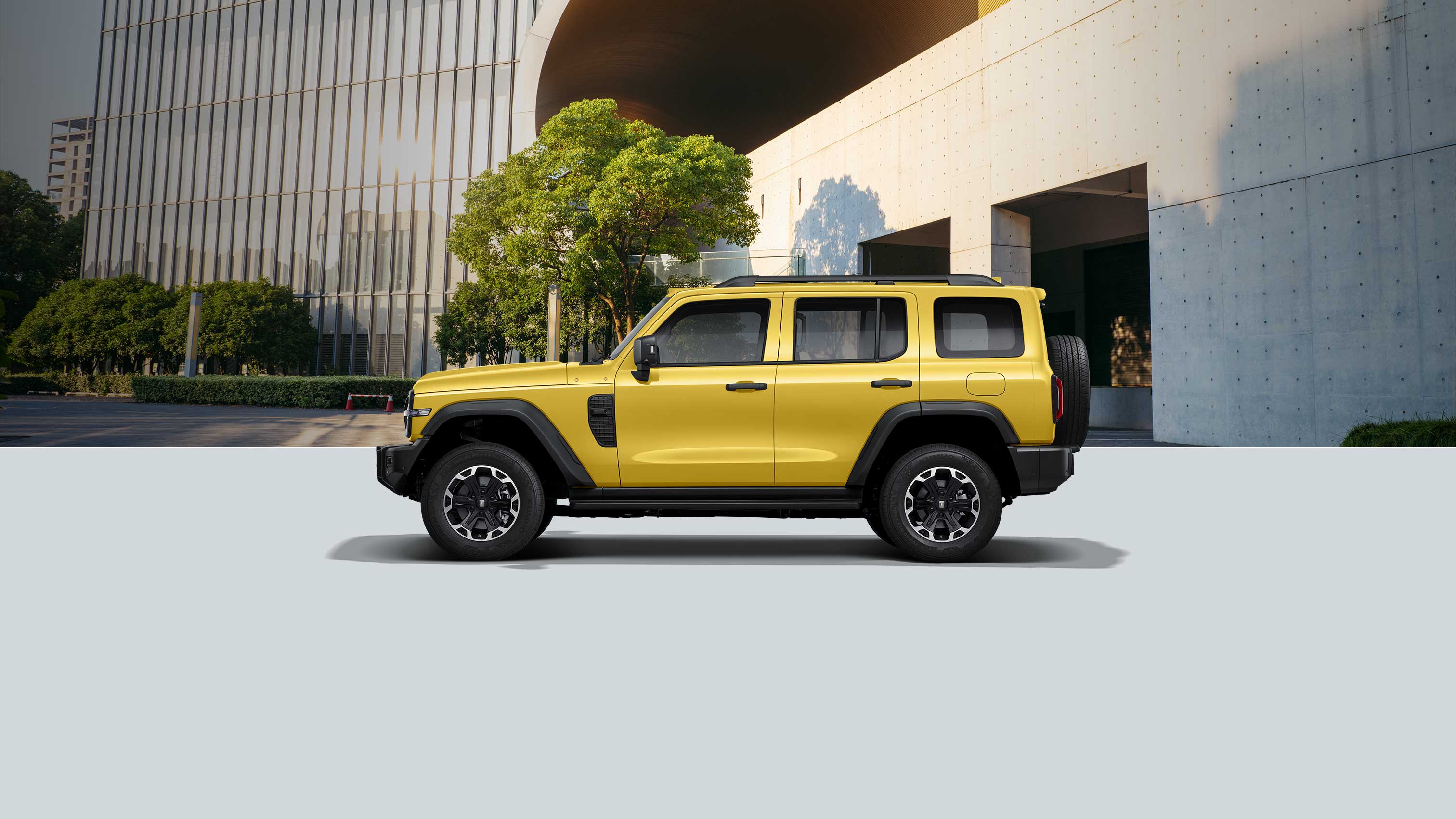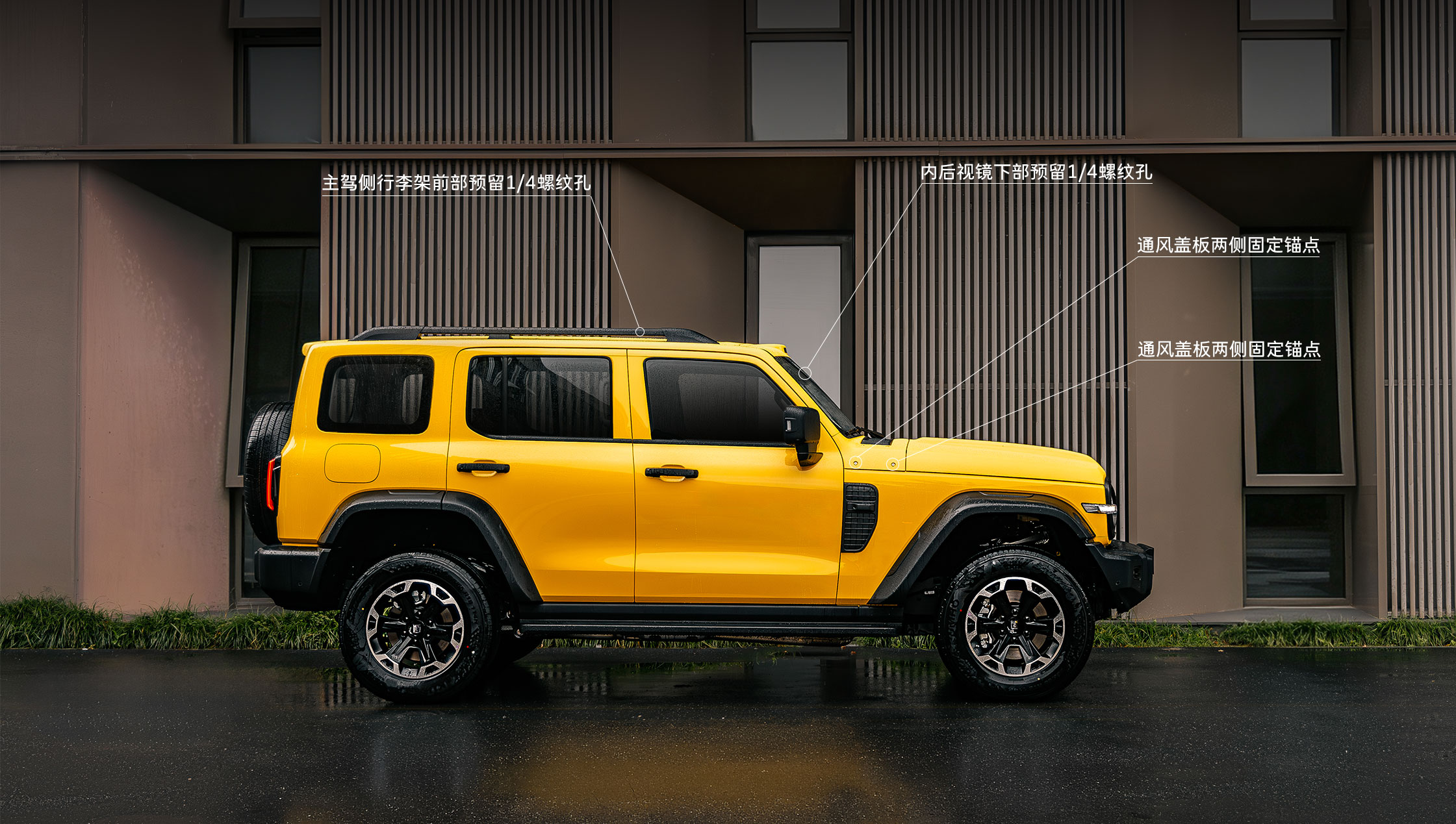
Start with a shared body reference
Current regular-body petrol and diesel entries list 4,750 × 1,930 × 1,903 mm, a 2,750 mm wheelbase and five seats. That common size does not make the powertrains or equipment identical. Keep full trim names, engine information and transmission beside the comparison. The longer 300L plug-in hybrids are a separate body and powertrain choice, not another name for the regular diesel. Check every proposed vehicle against its own year and configuration.
Review consumption without universal savings claims
Use the official figure and its stated conditions for the exact version where available. Do not treat laboratory cycles as identical or predict a real-world fuel bill from a single published number. Journey pattern, traffic, load and local fuel prices affect the outcome. Confirm fuel and servicing requirements from actual vehicle documentation. Discuss local maintenance arrangements before purchase rather than assuming one engine type is economical for every buyer.
Compare the equipment that matters
Check seat functions, off-road hardware, driver assistance and factory options for the chosen versions. A price difference may include equipment as well as an engine change. For used vehicles, request condition and service evidence; a model's reputation is not an inspection. Submit preferred powertrain, quantity, destination and any acceptable alternative. Ask the written proposal to identify the actual configuration before procurement starts.
Questions, answered.
Does the diesel share every petrol TANK 300 specification?
No. Current regular-body dimensions match, but powertrain and equipment must be checked by trim.
Can one consumption figure predict my fuel costs?
No. Retain its test-cycle information and consider actual use and local energy costs. It is a reference, not a personal savings guarantee.