Keep the powertrain categories distinct
Start by stating diesel, petrol mild hybrid or the exact Hi4-T or Hi4-Z version. A mild hybrid is not a plug-in hybrid, and a diesel specification should not be compared with a hybrid system's total output as if both numbers described the engine. Use separate engine and combined-system rows where applicable. Record model year and trim beside every figure in the comparison so its meaning remains clear.
Match energy access to your routine
Consider usual journey lengths, fuel access and charging availability. A plug-in hybrid decision should include convenient charging, not only an advertised electric-range figure. A diesel request should identify the intended fuel and maintenance requirements from the actual vehicle documentation. Do not assume one powertrain is automatically cheaper to operate everywhere: local use, energy prices and configuration affect that assessment. Discuss these practical factors before choosing a vehicle for its headline specification.
Compare complete versions and proposals
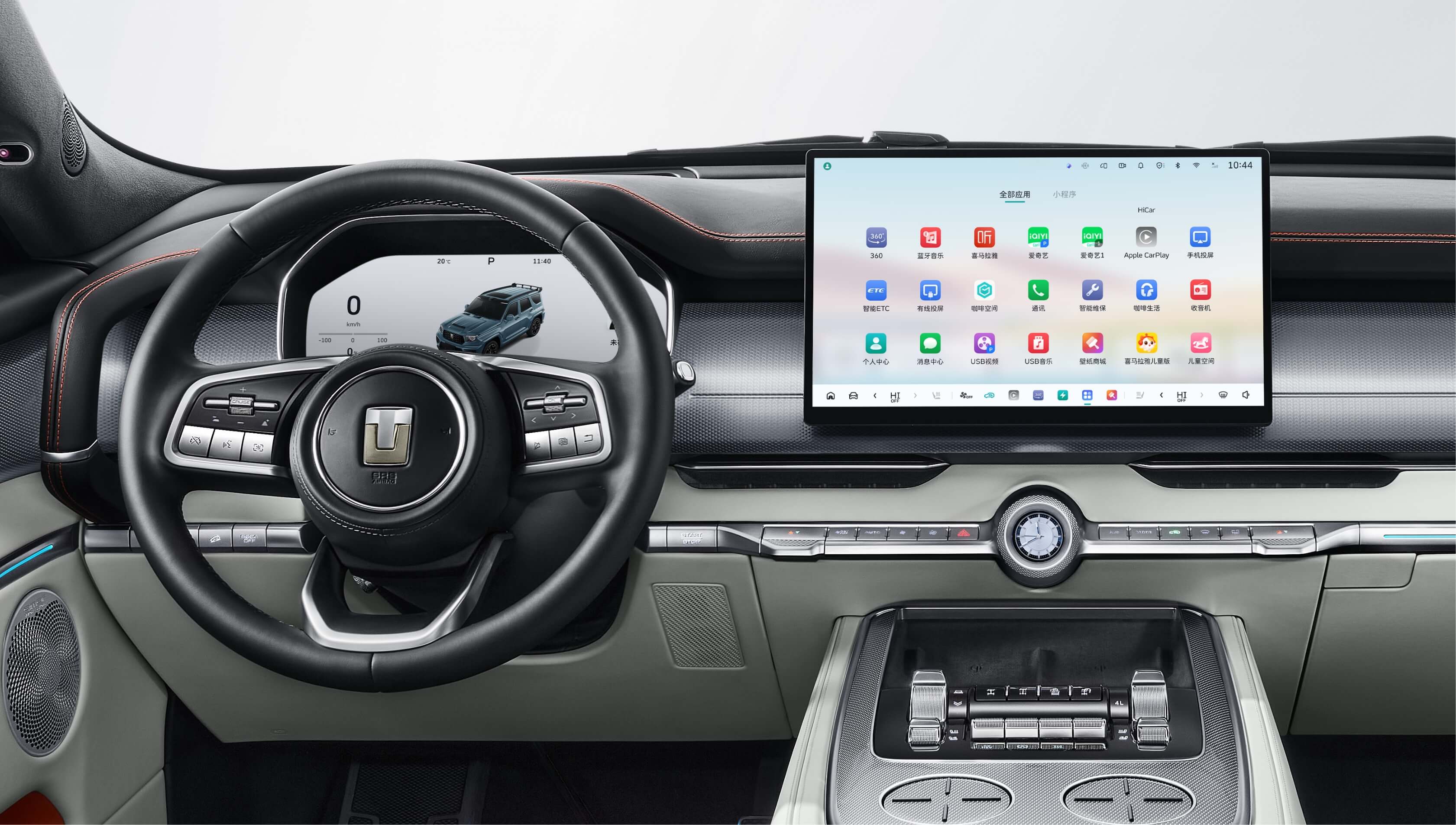
Review equipment included with each selected trim: comfort, driver assistance and the off-road hardware relevant to your use. Separate factory options from standard equipment. Request the same quantity, condition and delivery basis for alternatives so the cost comparison remains useful. Send destination, preferred version and any acceptable alternative in the enquiry. Confirm the proposed vehicle's written specification and relevant destination requirements before procurement.
Questions, answered.
Is the petrol TANK 400 a plug-in hybrid?
Not the petrol version in the current table: it is listed with a 48V mild-hybrid system. Hi 4 versions have separate specifications.
Can I compare diesel engine power directly with hybrid system power?
They describe different things. Keep engine output separate from total system output when reviewing the exact configurations.