Start with how you will use the SUV
Describe your normal journeys, access to charging, typical passenger and luggage load, and the type of unpaved driving you actually expect. Separate everyday comfort priorities from specific off-road requirements. A specification that looks impressive on a summary sheet may matter less than seating comfort, usable luggage space or convenient charging in your own routine. Rank essential features before choosing a powertrain label.
Read the complete powertrain table
Compare the engine, transmission, drive system, battery capacity and published electric-range test cycle for the exact versions. Keep engine output separate from total system output. For range, compare like-for-like test standards and treat laboratory figures as reference values. Check charging connection requirements, published charging conditions and destination compatibility. Do not transfer a figure from a different TANK model just because it uses the same Hi4 name.
Check equipment and the proposed vehicle
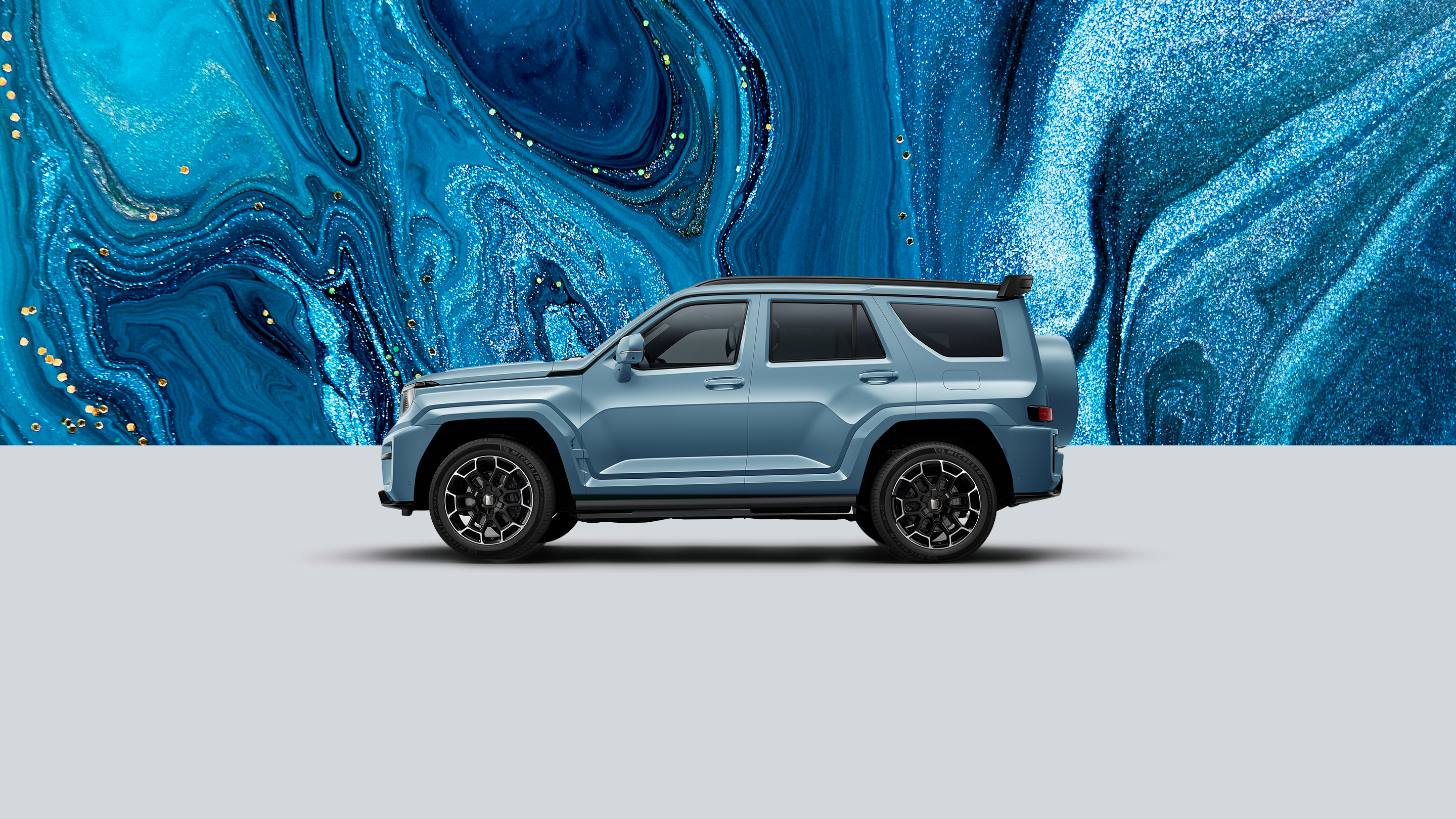
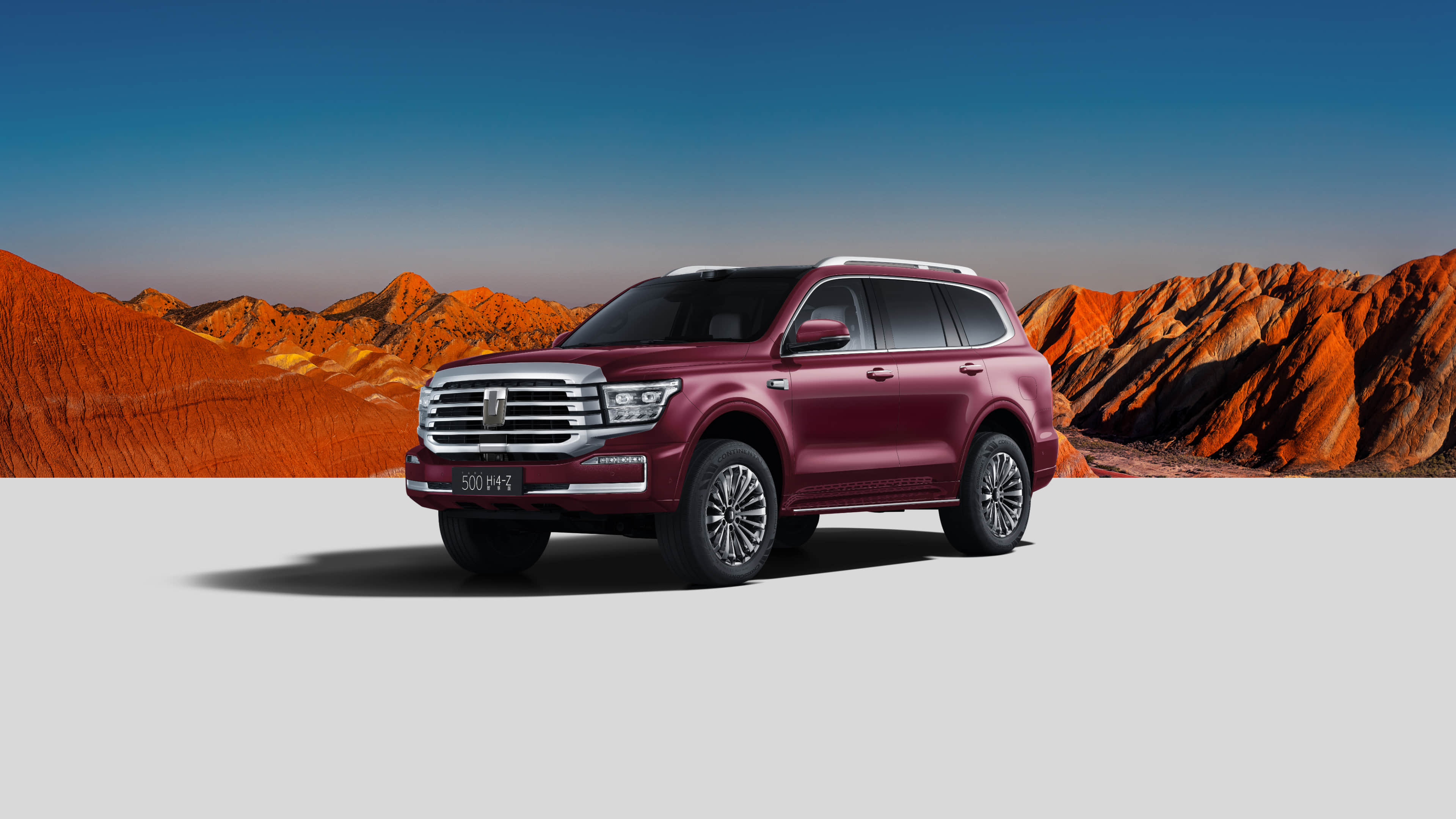
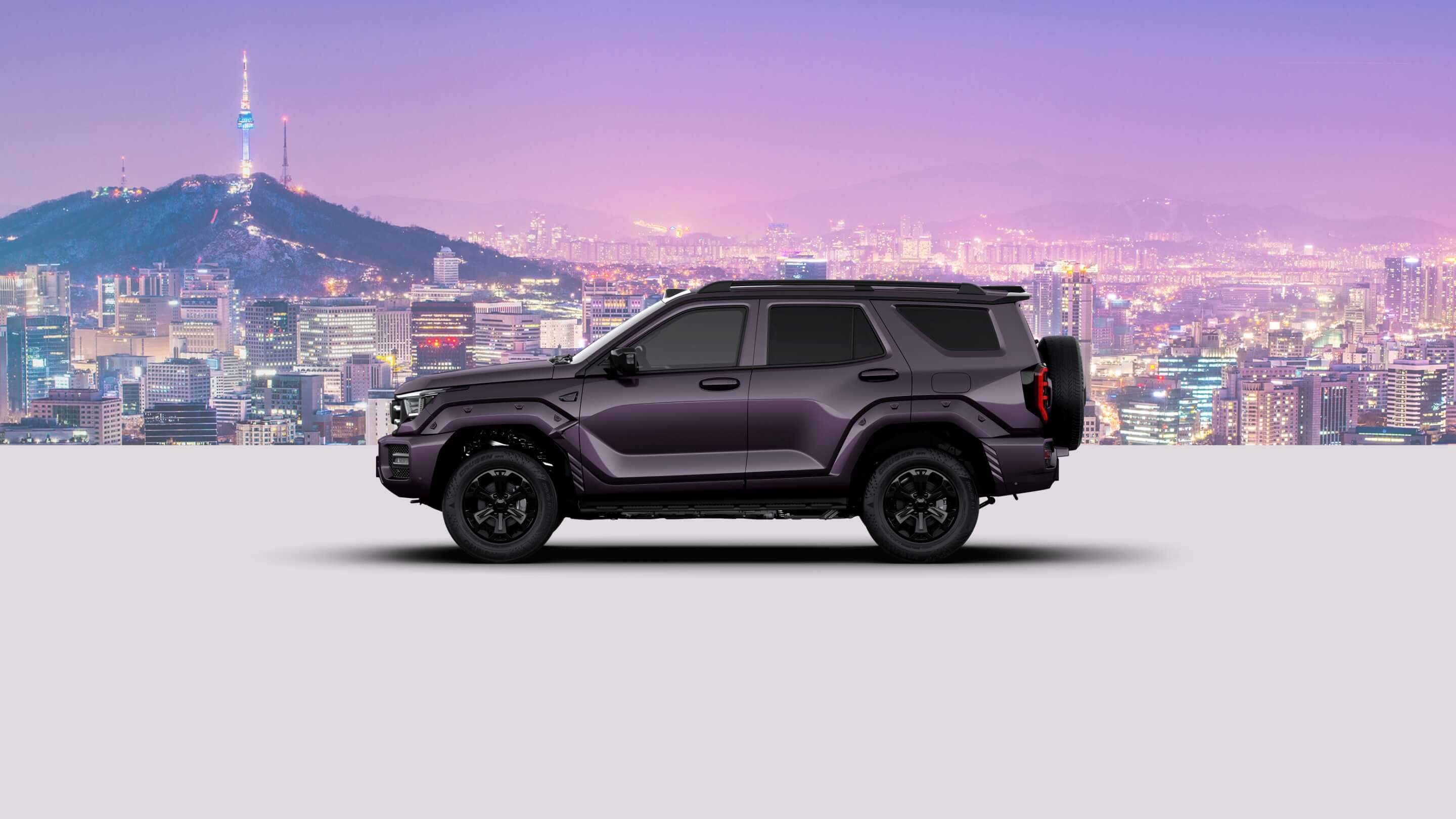
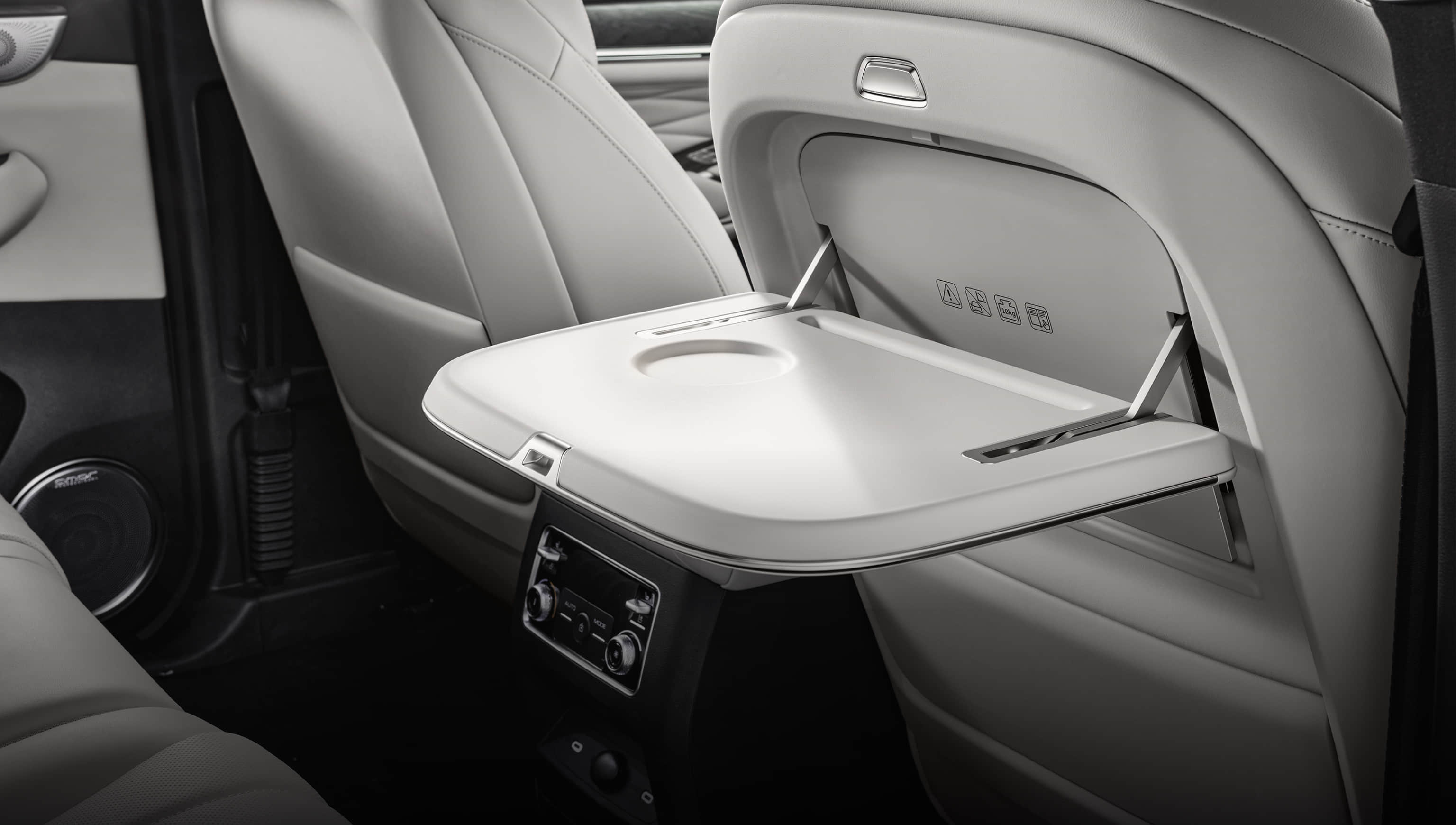
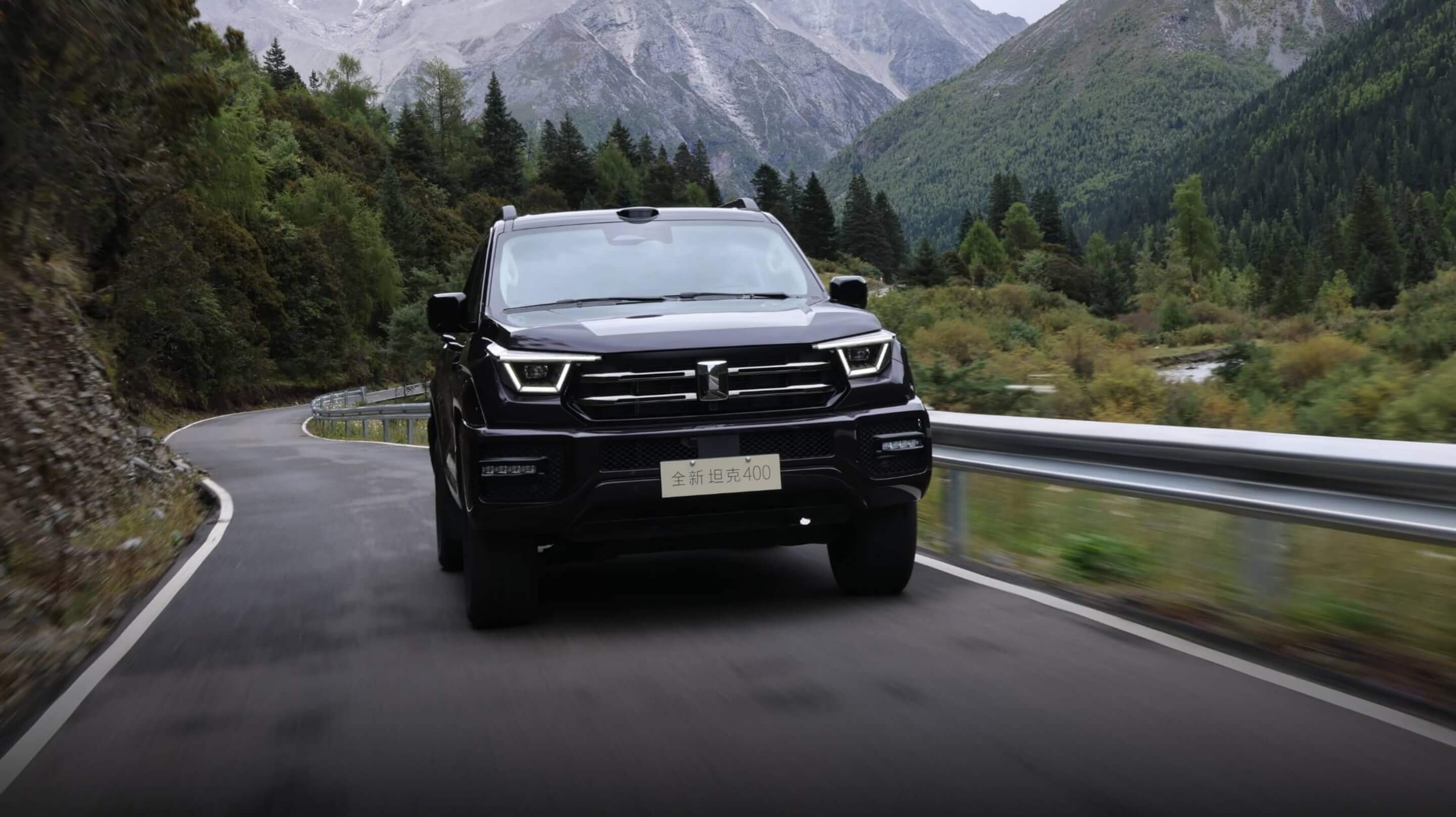
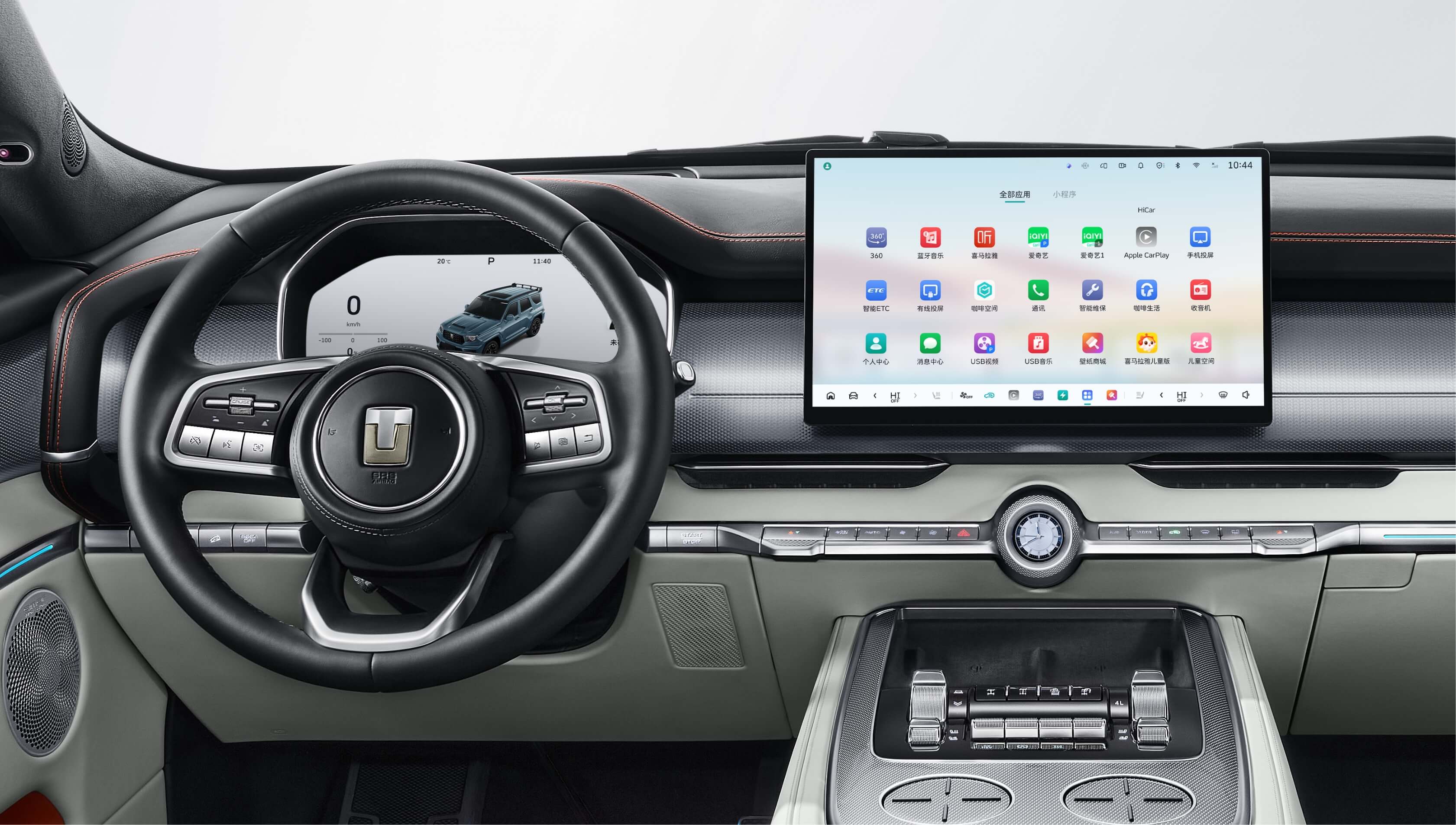
Review suspension, differential-lock equipment, tyres, driver-assistance functions and comfort options at trim level. Confirm what is standard, optional or unavailable. Ask for the configuration sheet and evidence for the vehicle proposed for purchase; a demonstration image may show another version. Add your destination and requested quantity to the comparison so the quotation can address the actual vehicle specification and export arrangements, rather than only a difference in advertised prices.
Questions, answered.
Does the Hi4 name guarantee identical equipment across models?
No. Compare the official table for the particular model year and trim, including optional equipment.
Should I choose by the longest published electric range?
Use range alongside charging access, vehicle use, equipment and budget. Check that the compared range figures use the same test cycle.