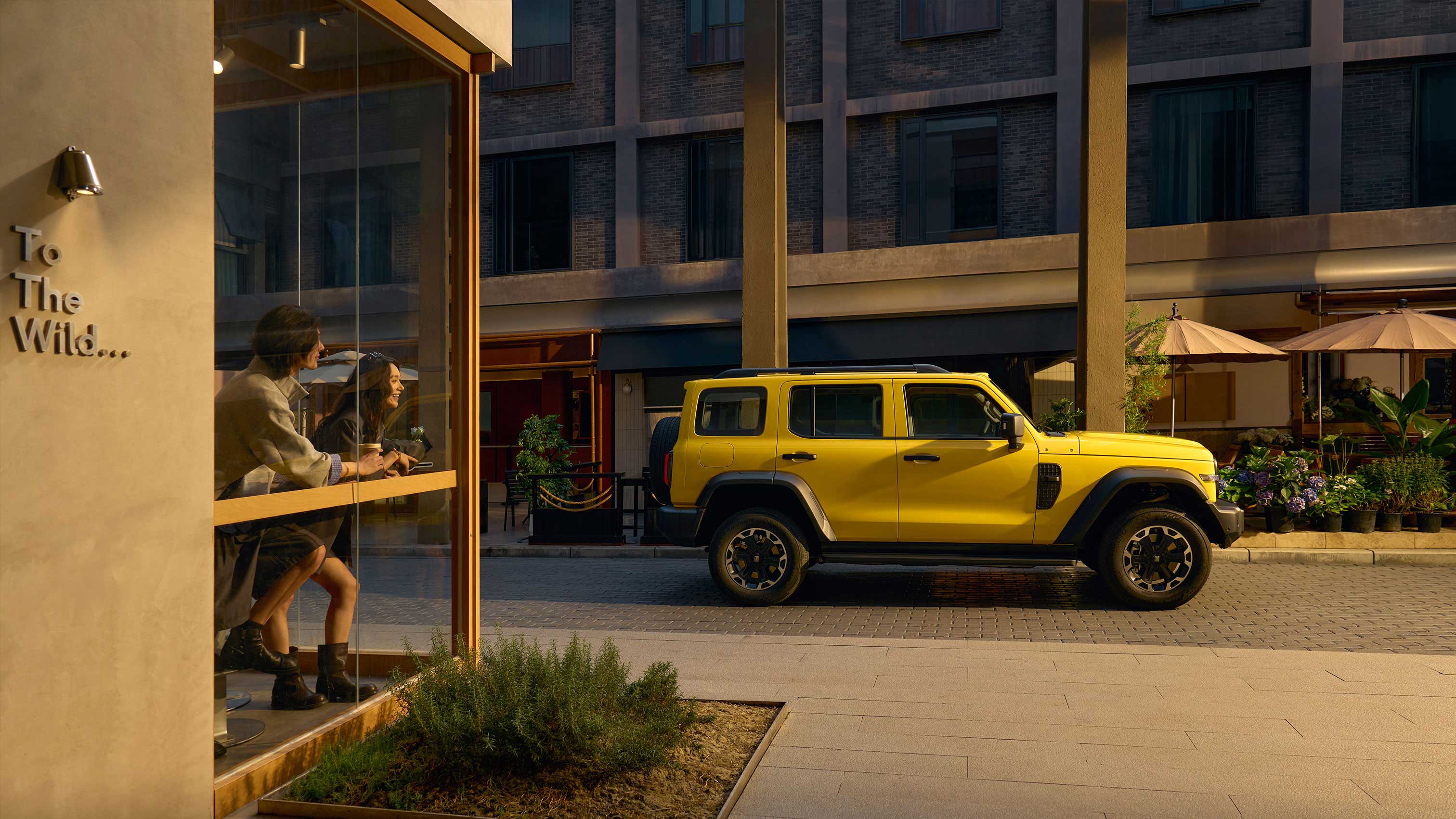
Identify the exact version
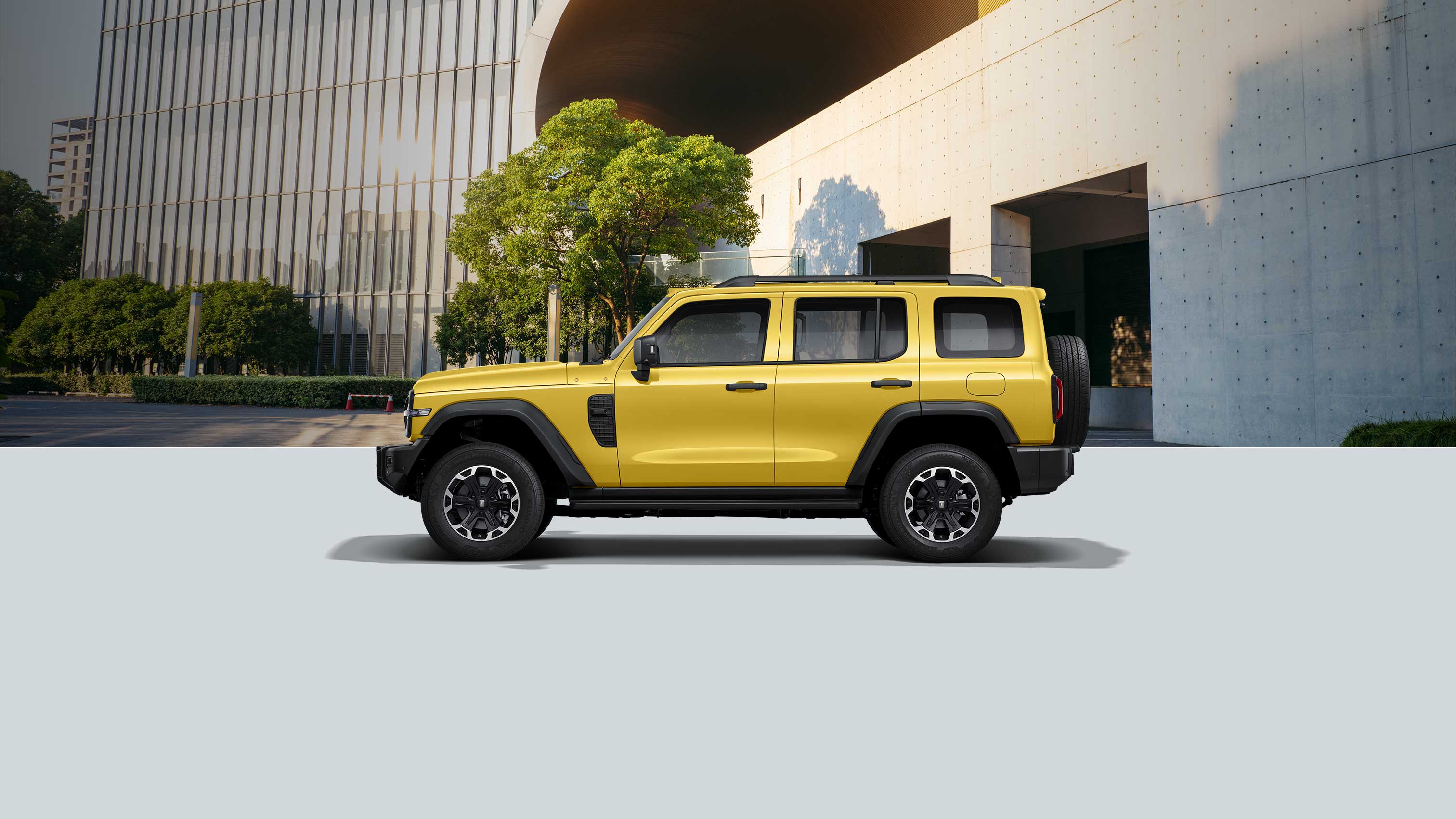
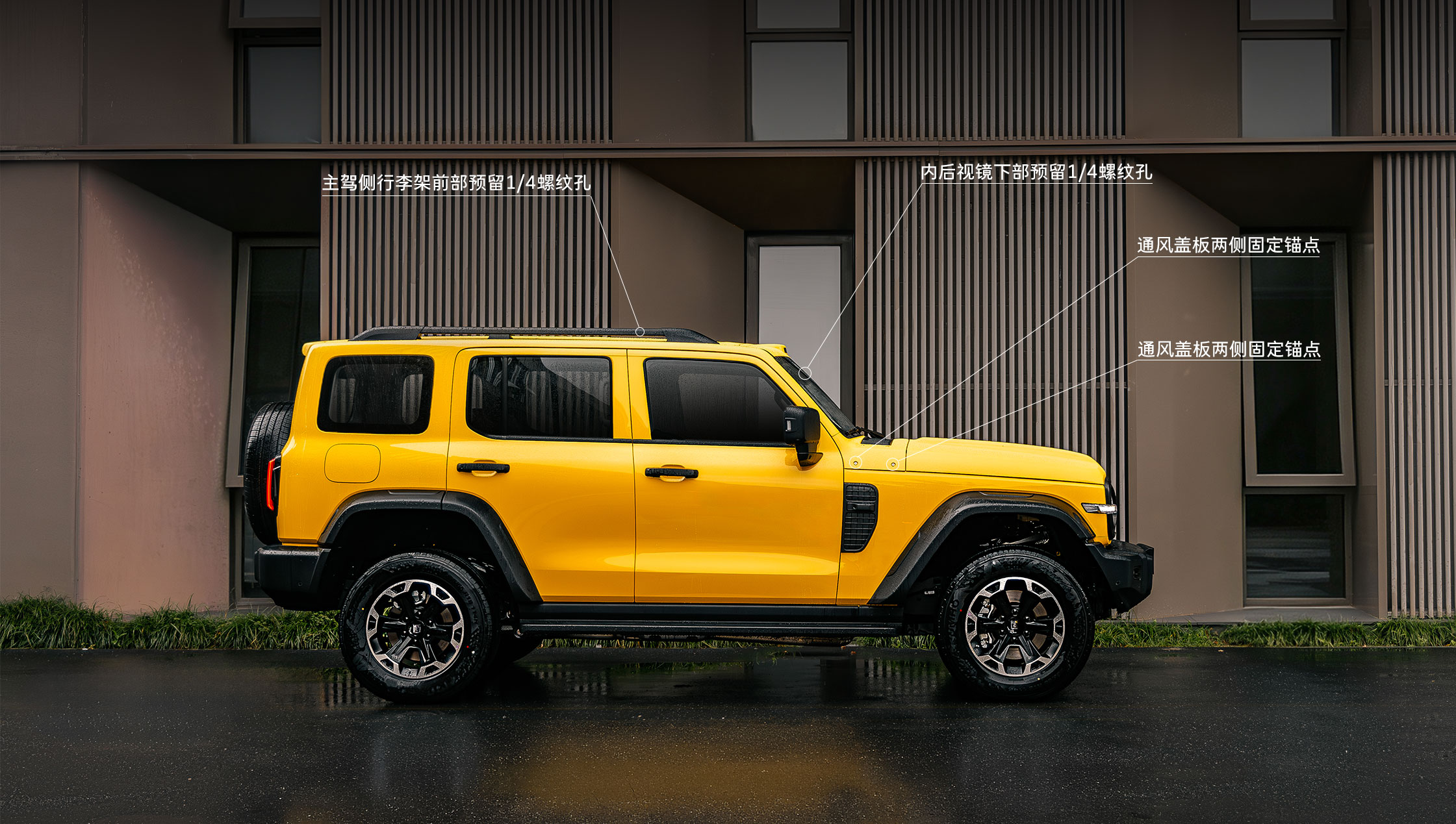
Start with the manufacturer page or a clearly labelled configuration sheet. Note the year, powertrain and full trim name. If a special edition interests you, record the specific equipment you want rather than relying on a nickname. Compare photographs with the published description and check whether visible accessories are factory equipment, optional items or later additions. This matters particularly when looking at used-vehicle listings.
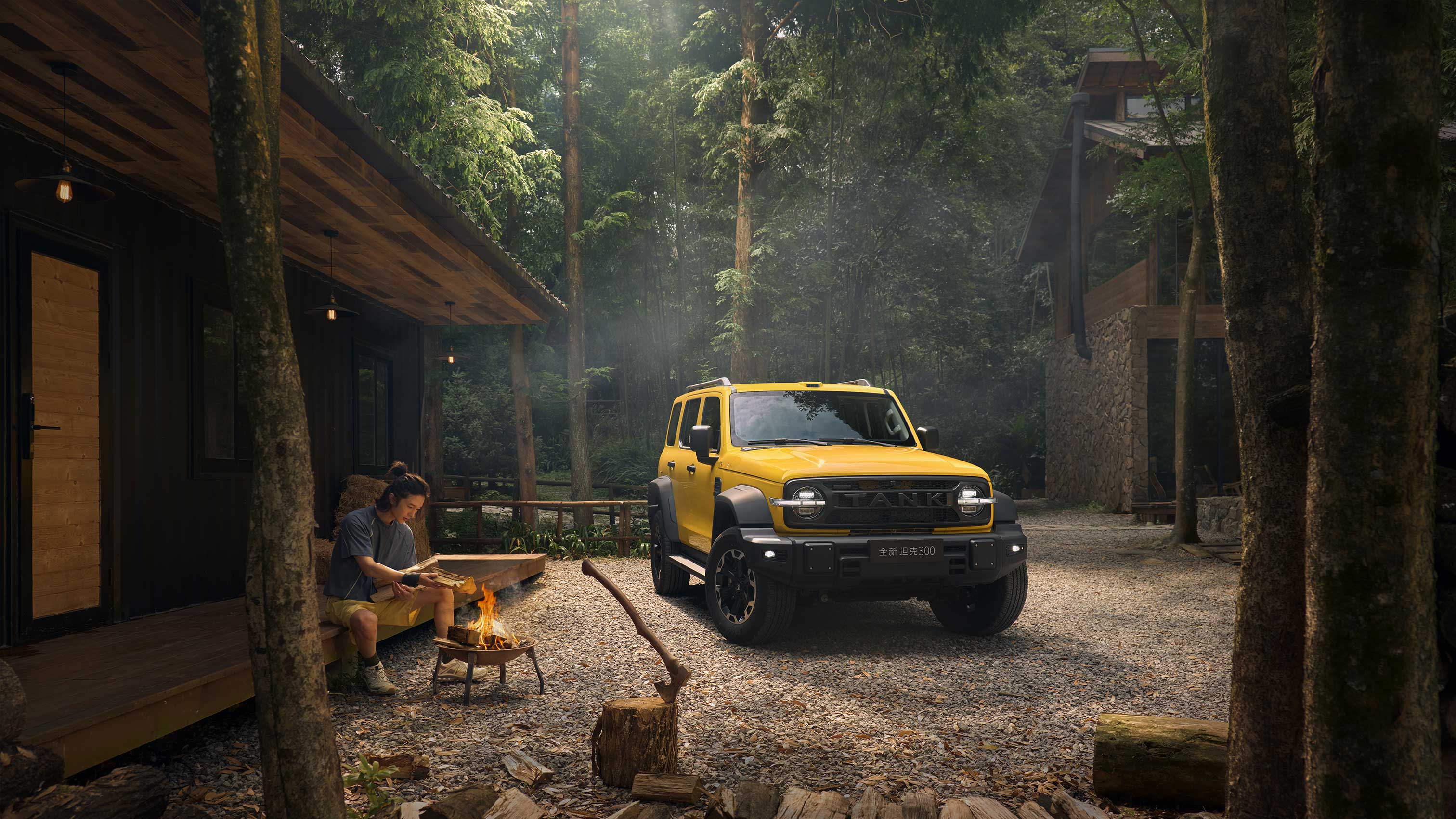
Plan for daily driving and occasional trails
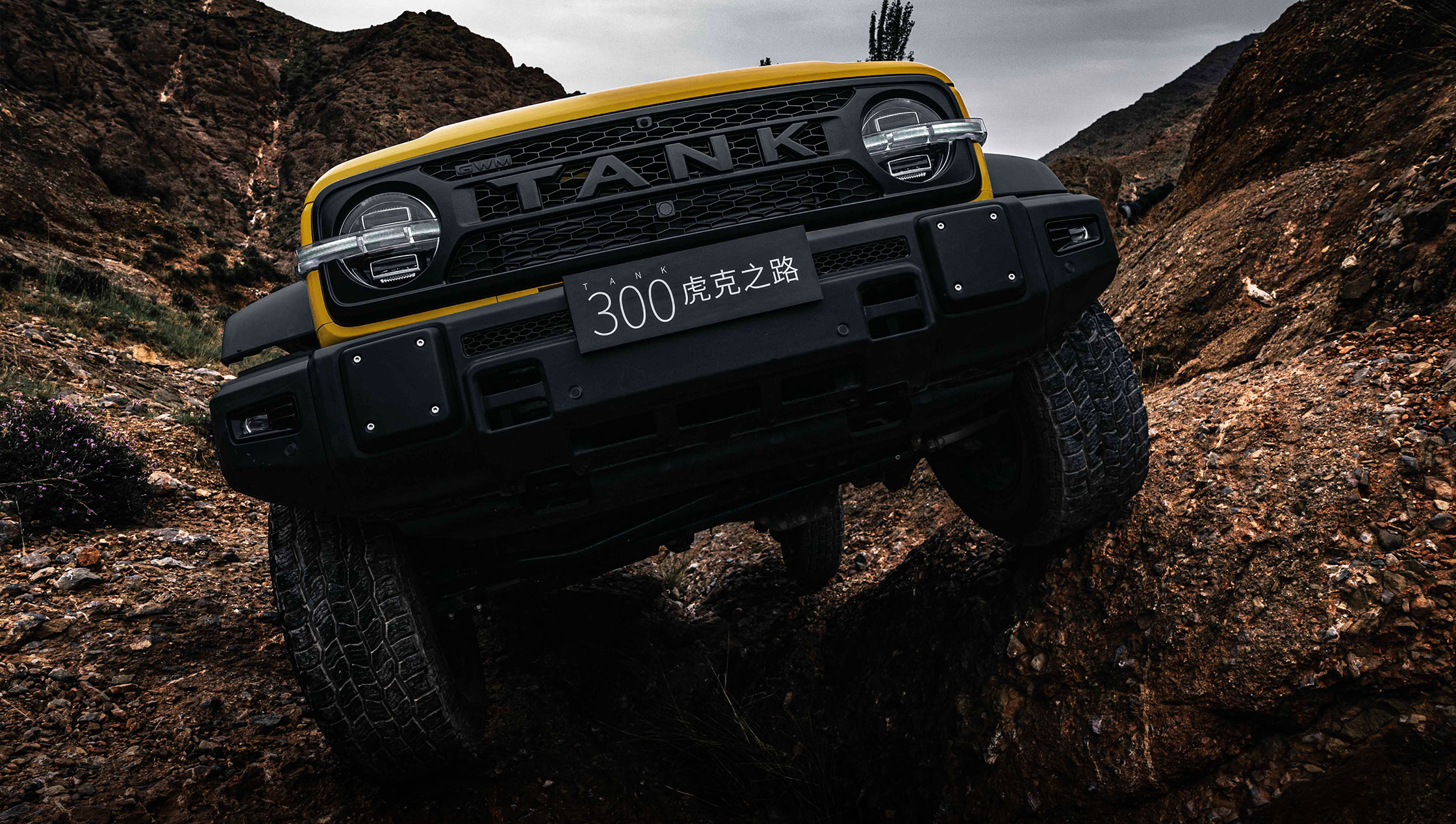
Consider passenger access, luggage needs, parking space and ride preferences alongside your intended unpaved routes. Verify the selected version’s tyres, drive system and relevant protection or off-road equipment. Ask about the exact infotainment language and features needed at your destination. For any vehicle with a charging requirement, confirm local compatibility before purchase rather than assuming that a familiar model name guarantees it.
Make condition and inspection explicit
For a new-vehicle request, state your preferred configuration and acceptable alternatives. For a used vehicle, give acceptable production years, maximum mileage and condition requirements. Request inspection evidence relevant to prior use, including the underbody and any modifications when appropriate. Include quantity and destination in the enquiry. Review the proposed vehicle, written quotation, payment terms and estimated preparation milestones before agreeing procurement; catalogue inclusion alone does not confirm an available unit.
Questions, answered.
Can a special edition be compared as the same trim as a regular TANK 300?
Keep it separate and compare its official equipment. Similar body styling does not establish identical hardware or options.
What should I add for a used TANK 300 enquiry?
Give acceptable years, mileage and condition, and ask for the vehicle’s identification and inspection evidence before purchase.