Count seats in the exact specification
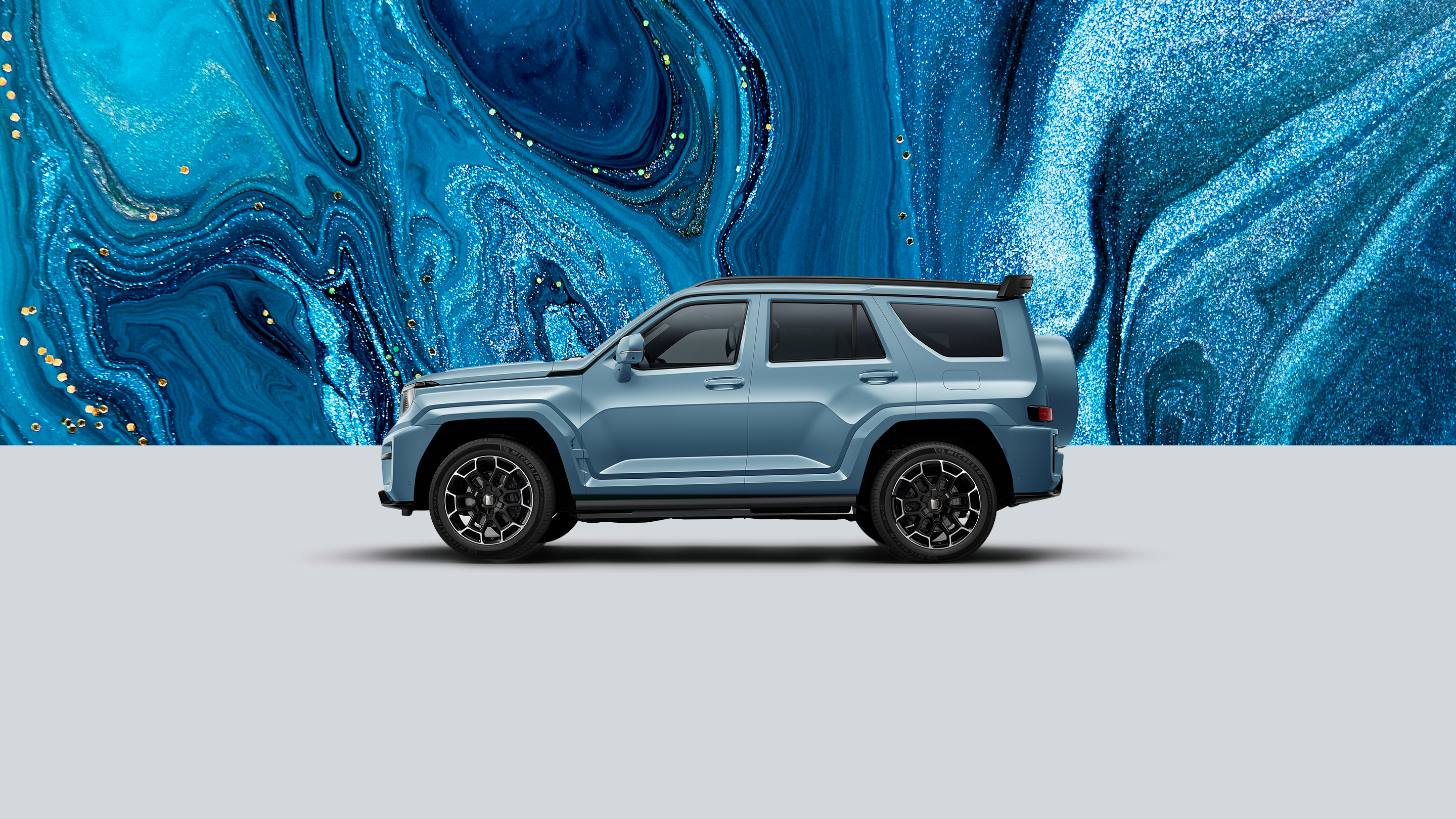
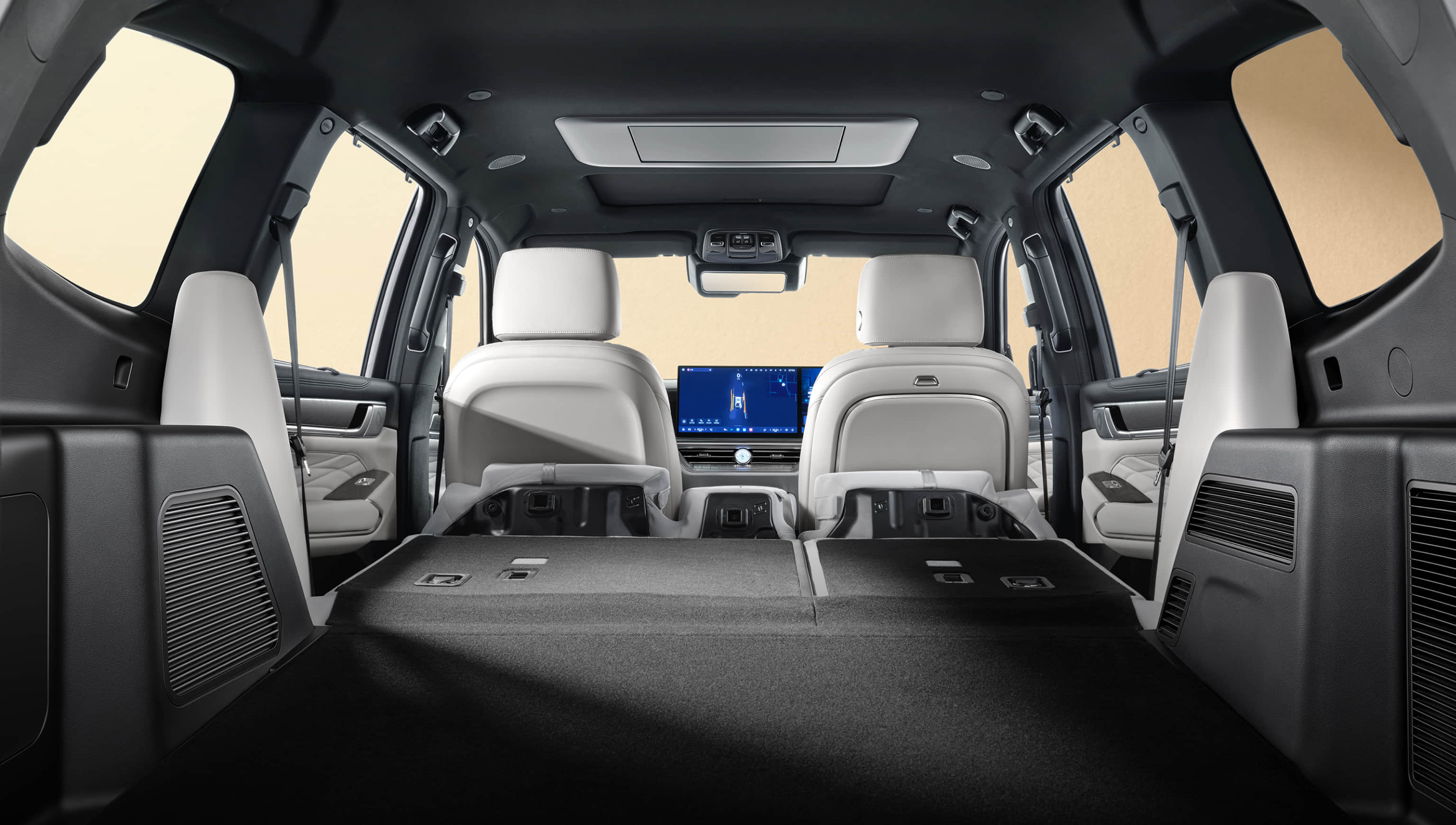
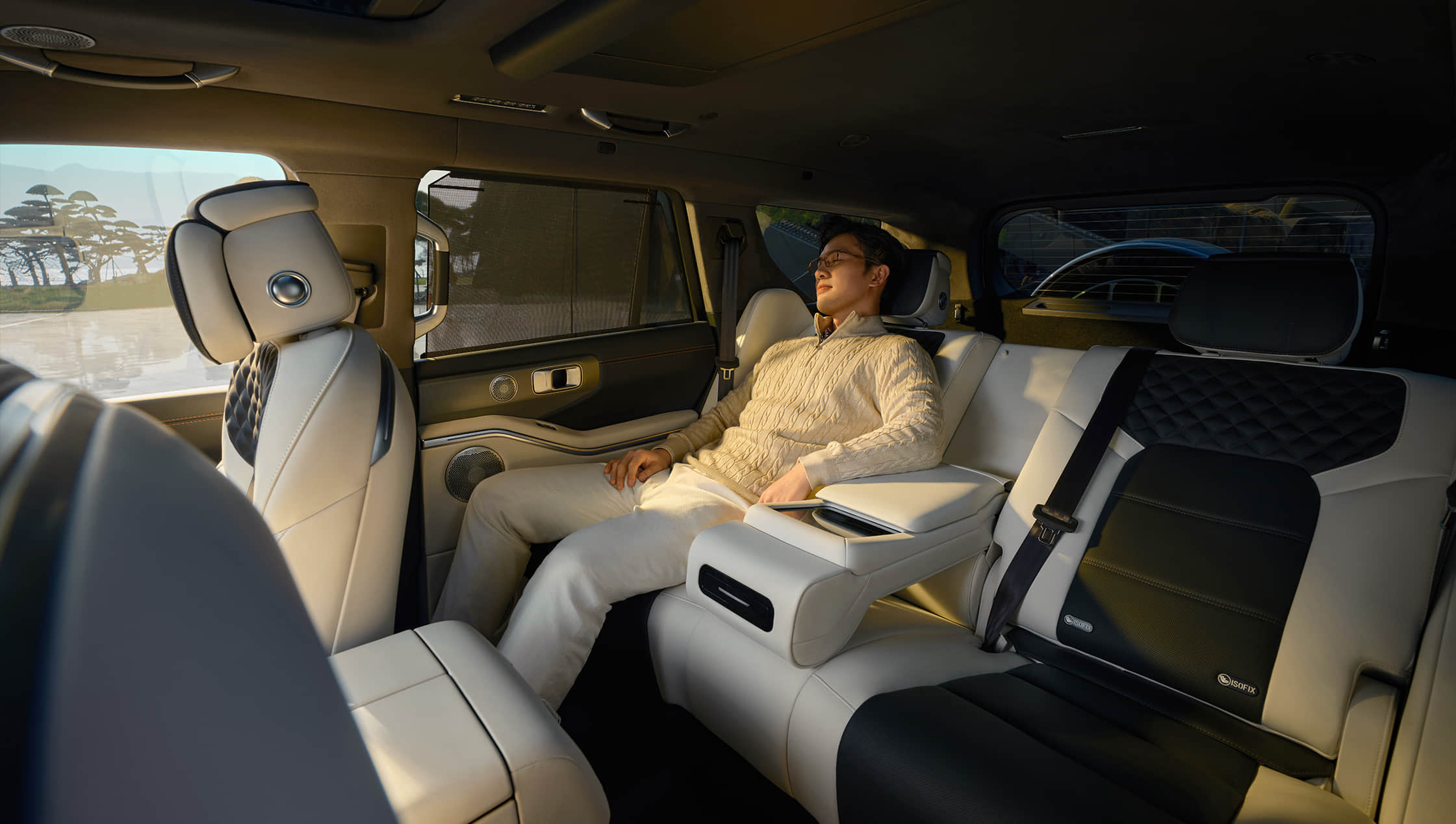
A large body does not establish the seating capacity. An interior photograph may hide part of a bench, while a folded centre armrest can create the impression of a different arrangement. Use the official capacity row and a photograph of the complete rear bench. Record the model year and trim beside the seating layout. Do not infer a third row from the vehicle's size or price.
Assess second-row comfort separately
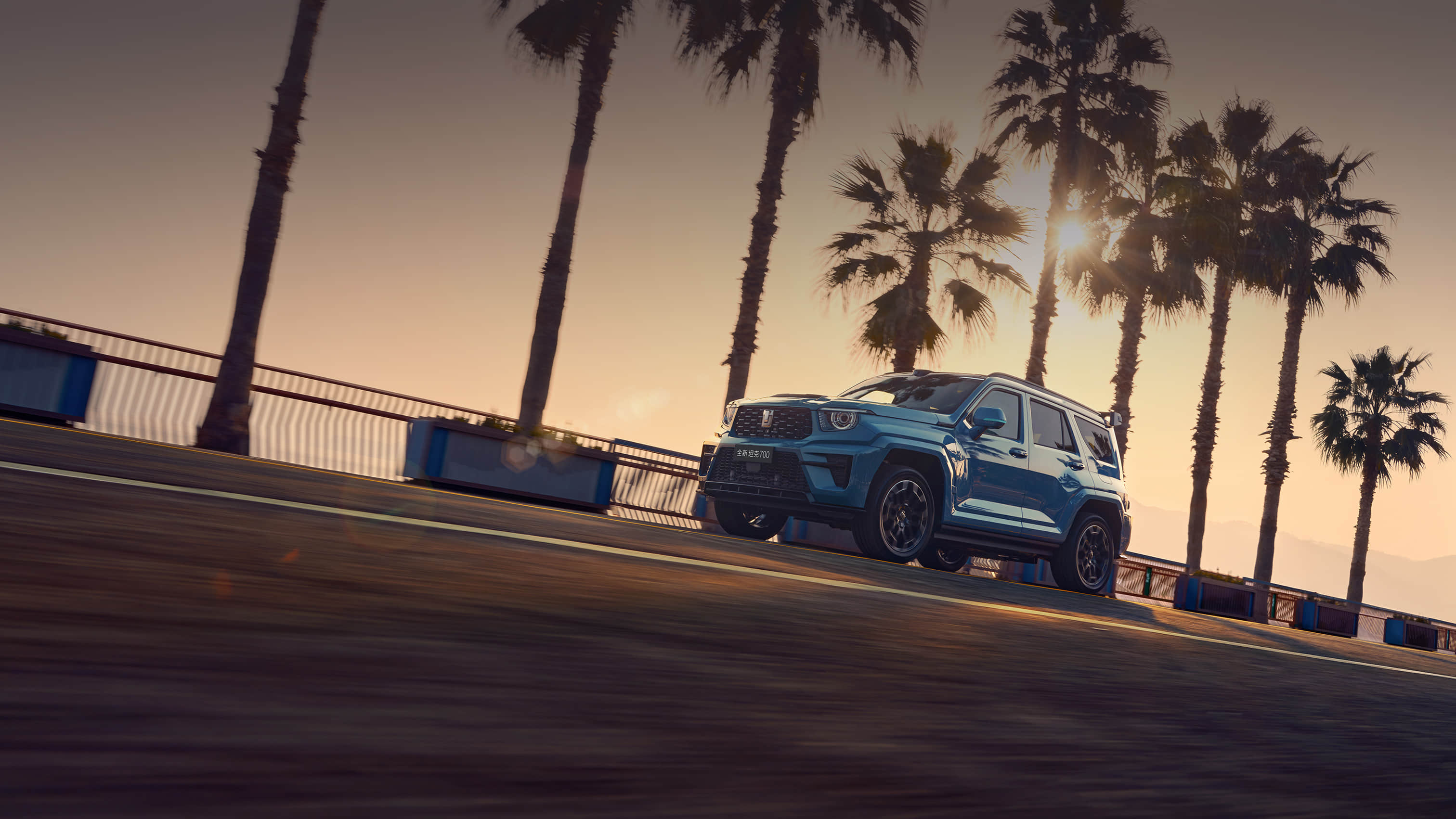
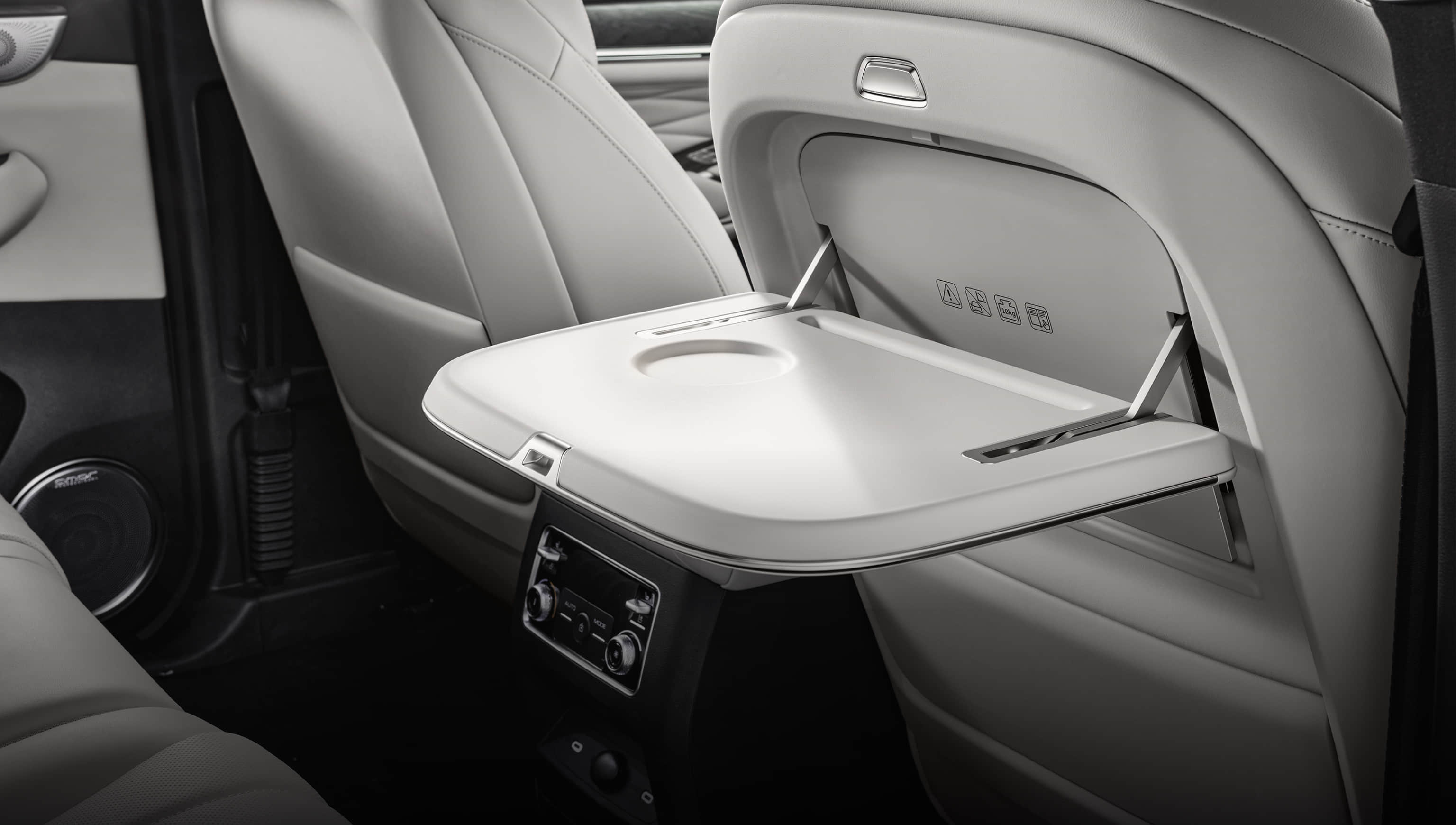
The current 700 table lists powered second-row backrest adjustment, heating, ventilation and massage across the three versions. Check how the controls and folding armrest suit your normal use, especially with three rear passengers. Request matching cabin images and discuss child-seat placement using the vehicle documentation. Comfort equipment and space are useful selection criteria, but they do not turn a five-seat vehicle into a seven-seat one.
If seven seats are essential
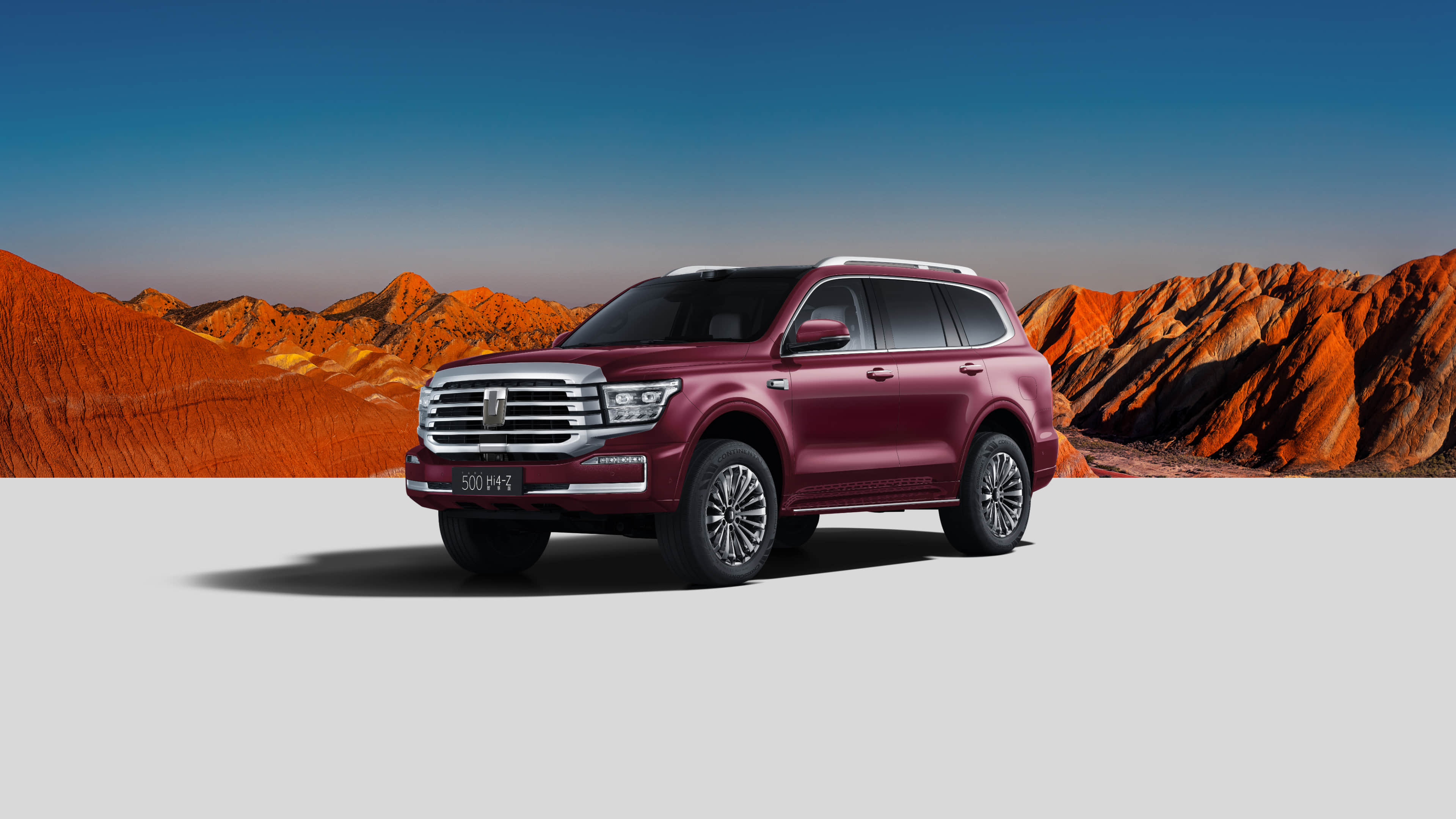
Say so at the start of the enquiry. The current Chinese TANK 500 table lists a 3.0T seven-seat version; not every 500 has that layout. Compare access to the last row, luggage needs with all seats occupied and the actual powertrain before changing models. Include destination and quantity so the proposal identifies an appropriate vehicle instead of assuming a seating conversion.
Questions, answered.
Is a seven-seat TANK 700 listed in the current Chinese table?
No. All three versions list five seats in the data checked on 8 November 2026.
Is every TANK 500 a seven-seat alternative?
No. Select the explicitly listed 3.0T seven-seat version. Current Chinese plug-in hybrid 500 versions are five-seat vehicles.