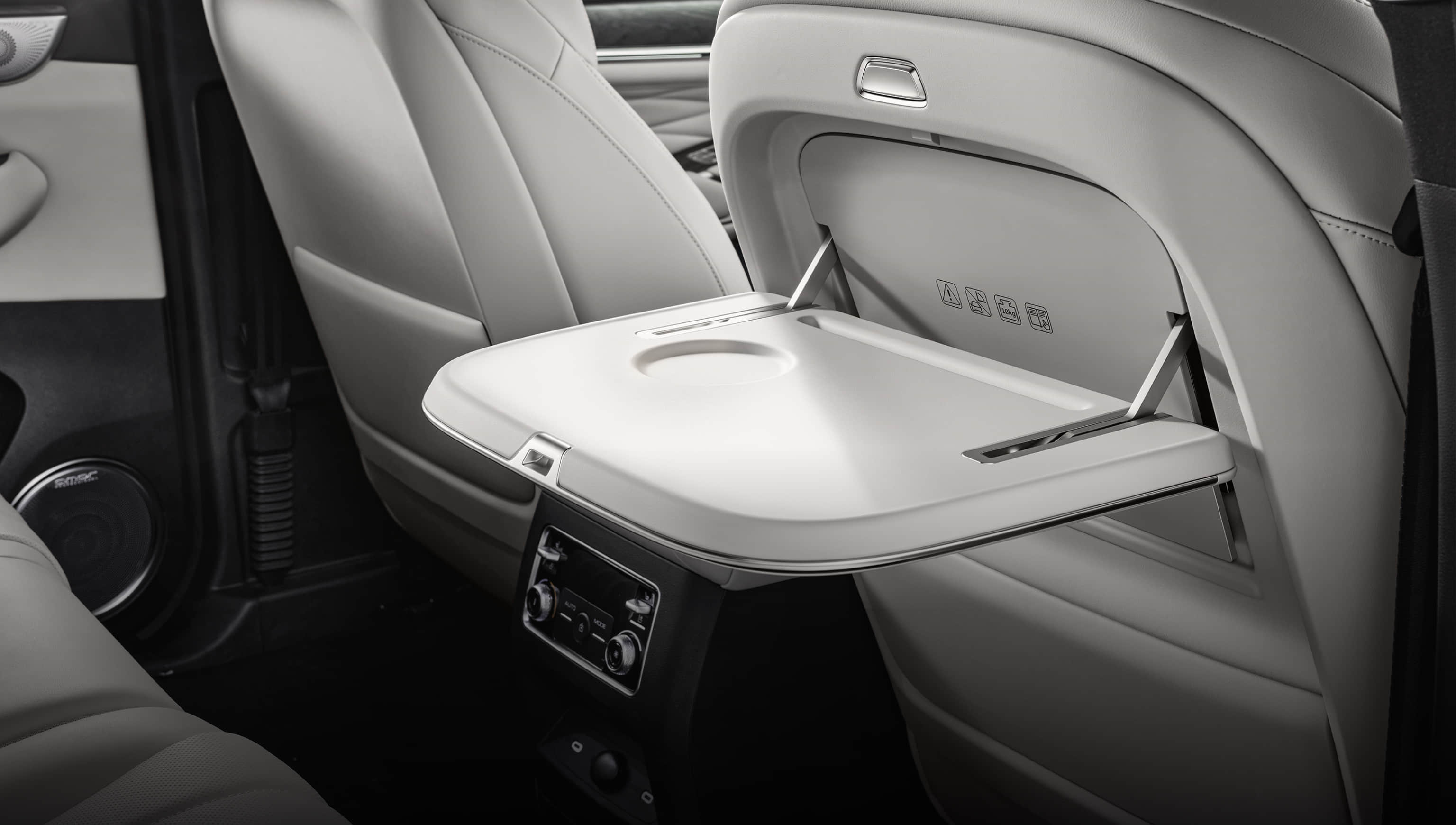
Make seating a requirement, not an assumption
If seven occupants are essential, request the explicitly named 3.0T seven-seat version. The current table describes the 3.0T powertrain with a 48V mild-hybrid system; that differs from a plug-in hybrid. Do not combine the seating claim from one version with battery or charging figures from another. A search phrase such as seven-seat PHEV is a question to investigate, not evidence that the configuration exists.
Compare the actual passenger routine
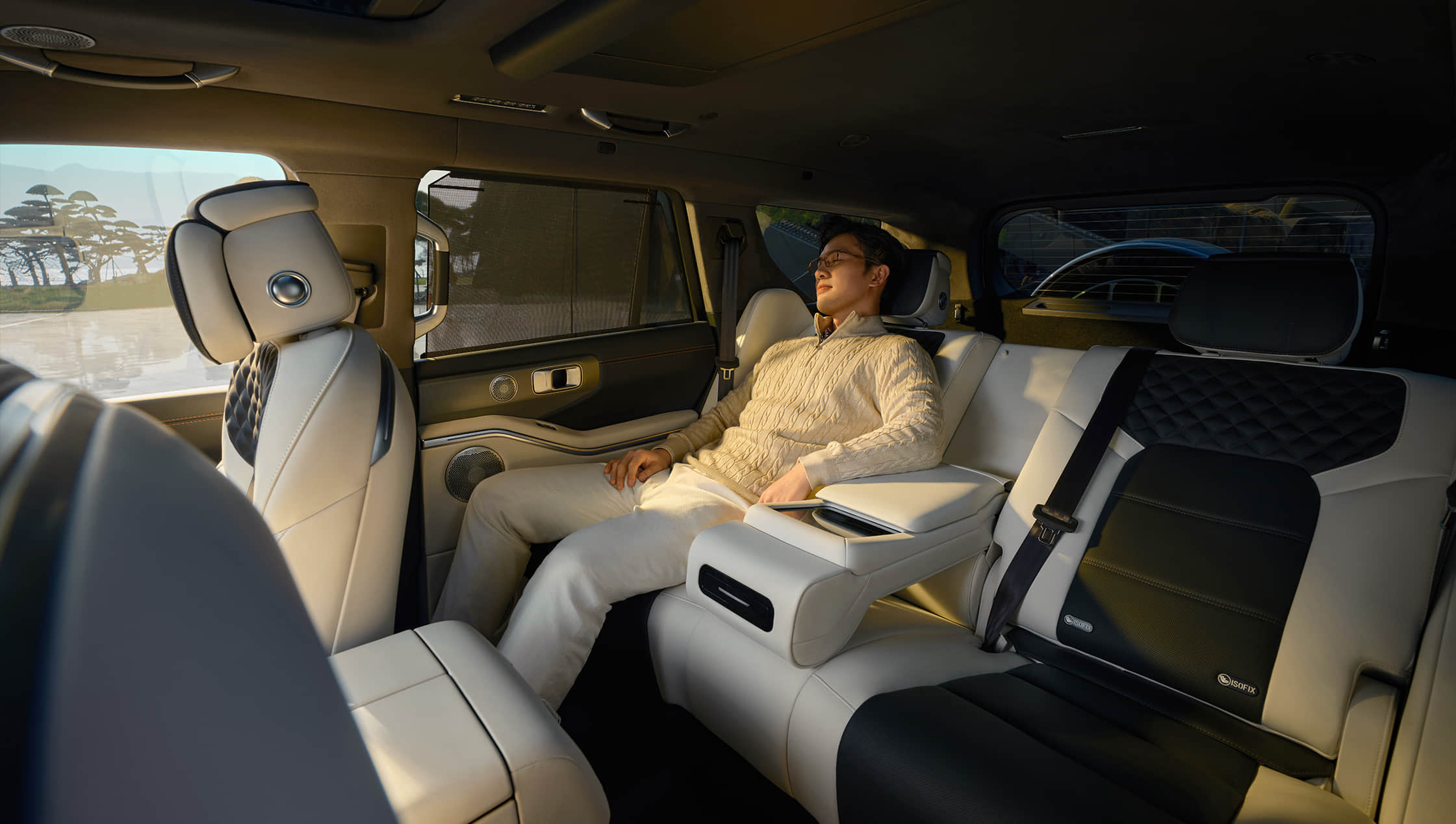
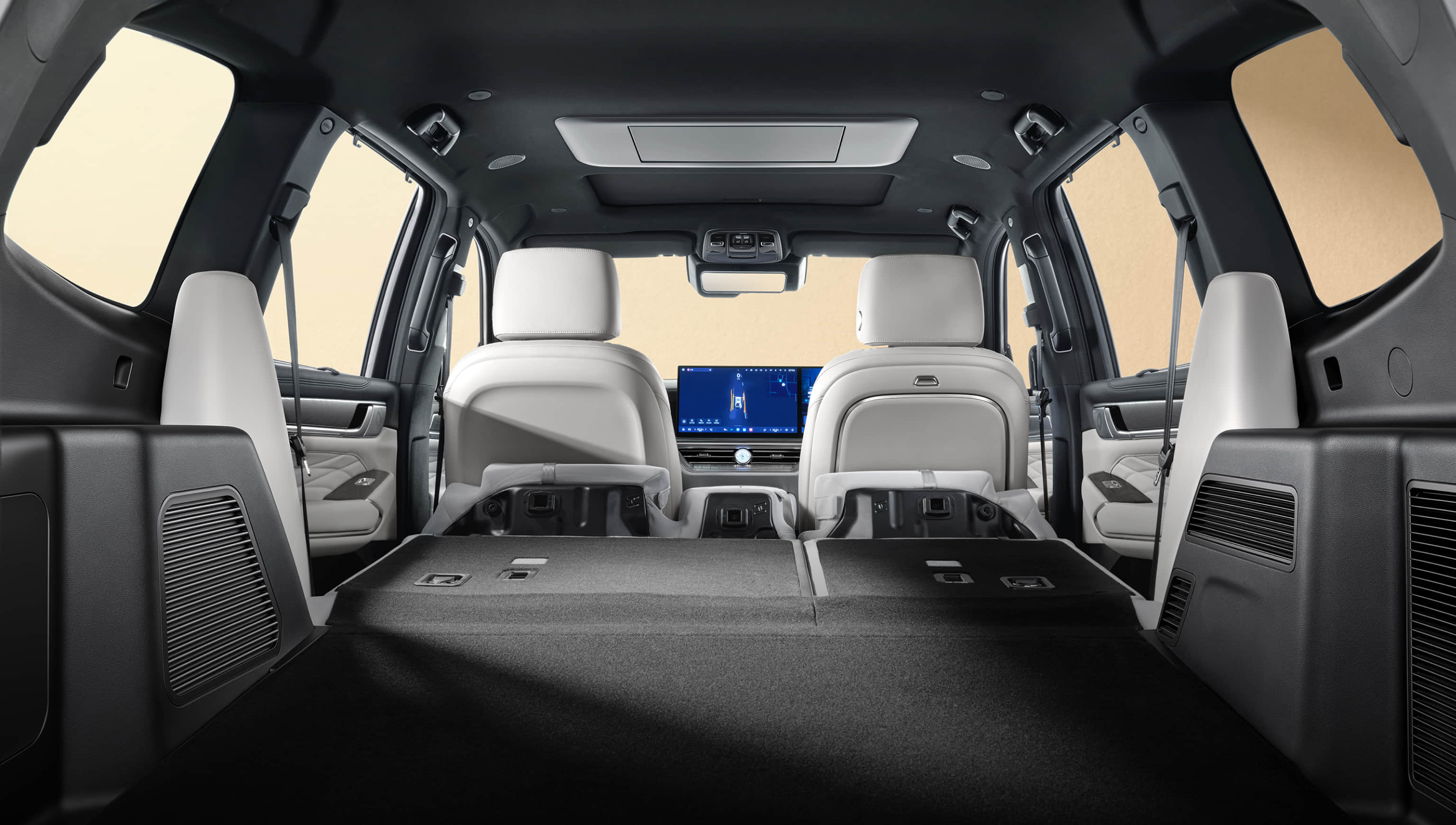
Think about how often the last row will be occupied, who will use it and the luggage carried at the same time. Ask for the seven-seat vehicle's rear-row access and folding demonstration. For a five-seat choice, inspect second-row comfort and cargo arrangement independently. The official table lists powered third-row folding for the seven-seat version; that feature does not mean a third row exists on the other trims.
Write a complete version request
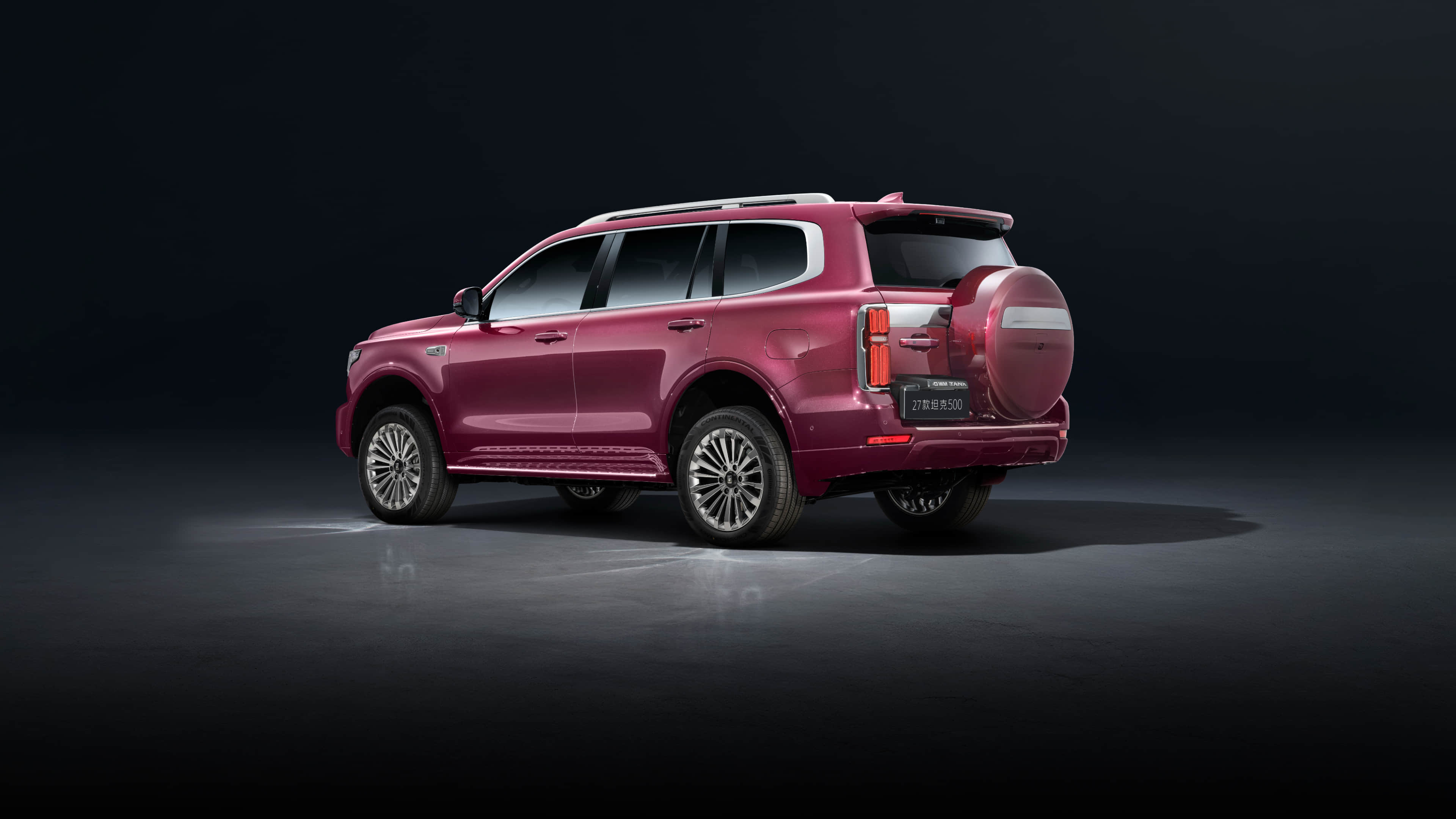
State the required seating capacity, model year, powertrain, colours and quantity. Explain which requirements can change and which cannot. If willing to compare five and seven seats, request separate proposals so equipment and costs stay clear. Include destination and ask for matching vehicle identification and cabin evidence before purchase. A model name alone is insufficient to confirm the seating arrangement for an order.
Questions, answered.
Are current China-market TANK 500 plug-in hybrids seven-seat?
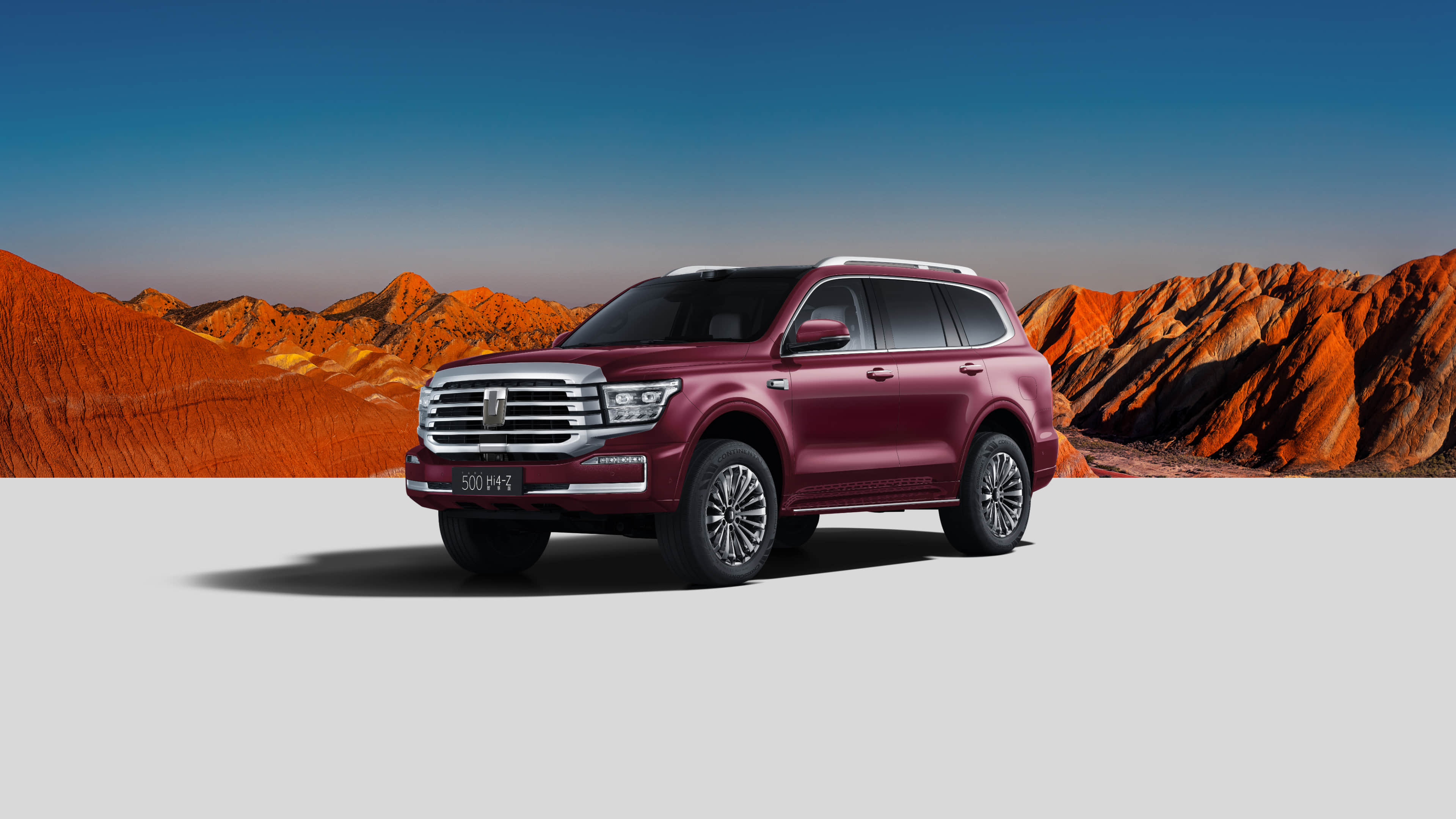
No. The official table lists five seats for Hi4-T, Hi4-T Smart and Hi4-Z Smart.
Does the seven-seat 3.0T use the PHEV charging data?
No. It is listed as a 48V mild hybrid. Use its own specification rather than plug-in hybrid battery and charging data.