Define your luggage test
List the items you actually carry: suitcases, a stroller, sample cases or other equipment. Measure each item's largest dimensions and decide whether every passenger seat must remain available. A volume in litres cannot tell you whether a rigid case passes through the opening or fits beneath the luggage cover. Ask for opening width and height, usable floor length and relevant obstructions on the proposed configuration.
Use images with an identified version
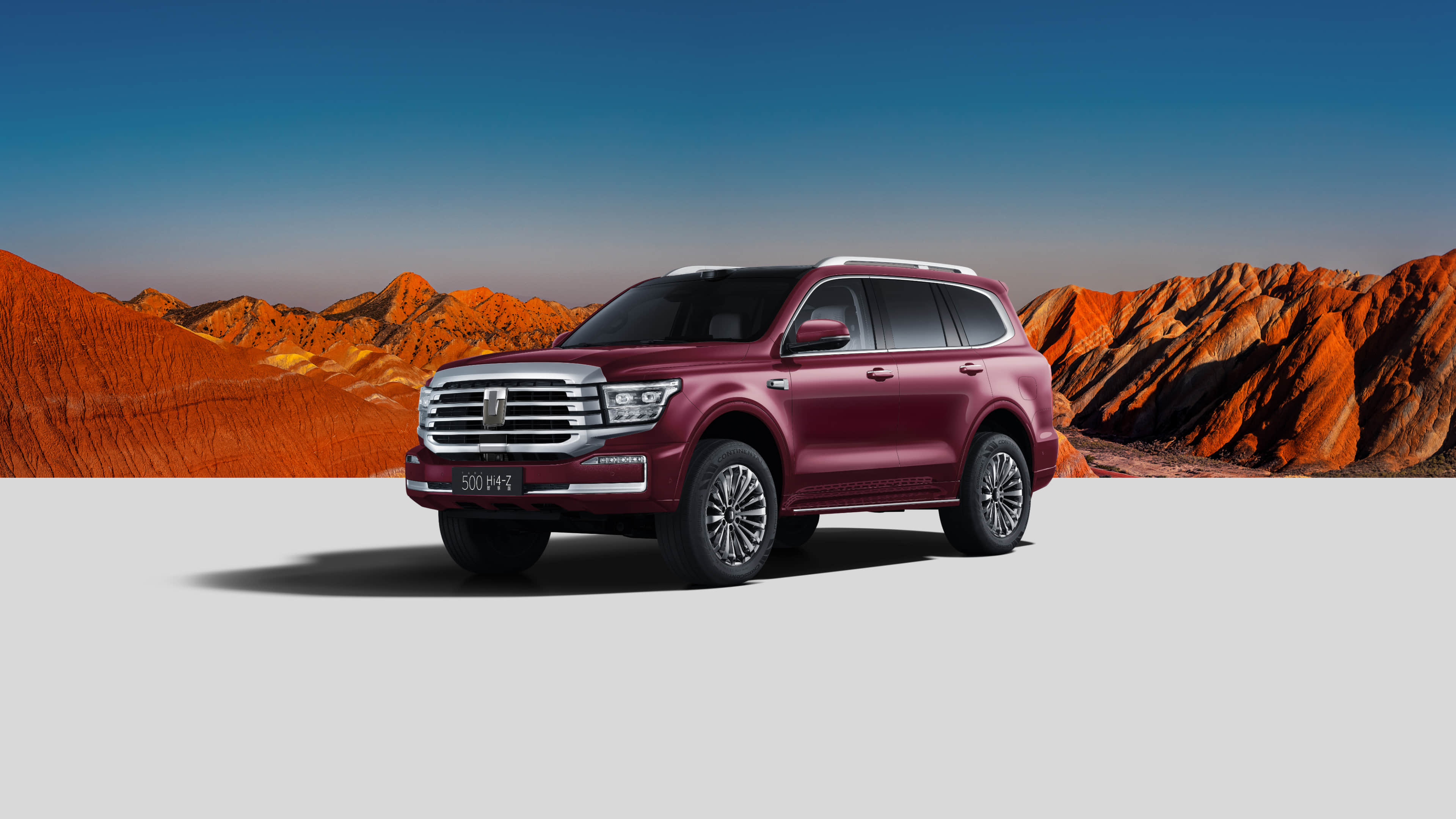
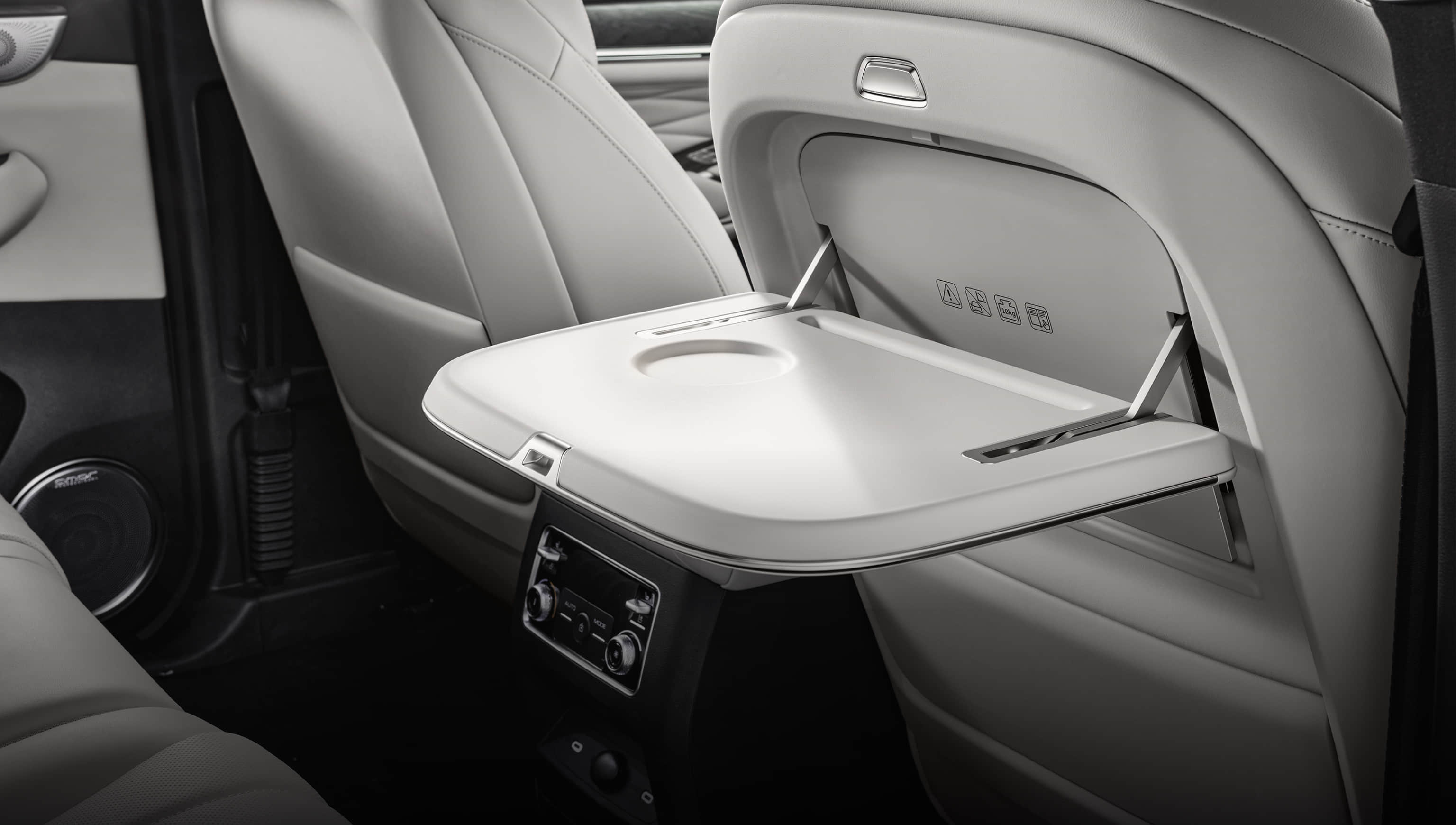
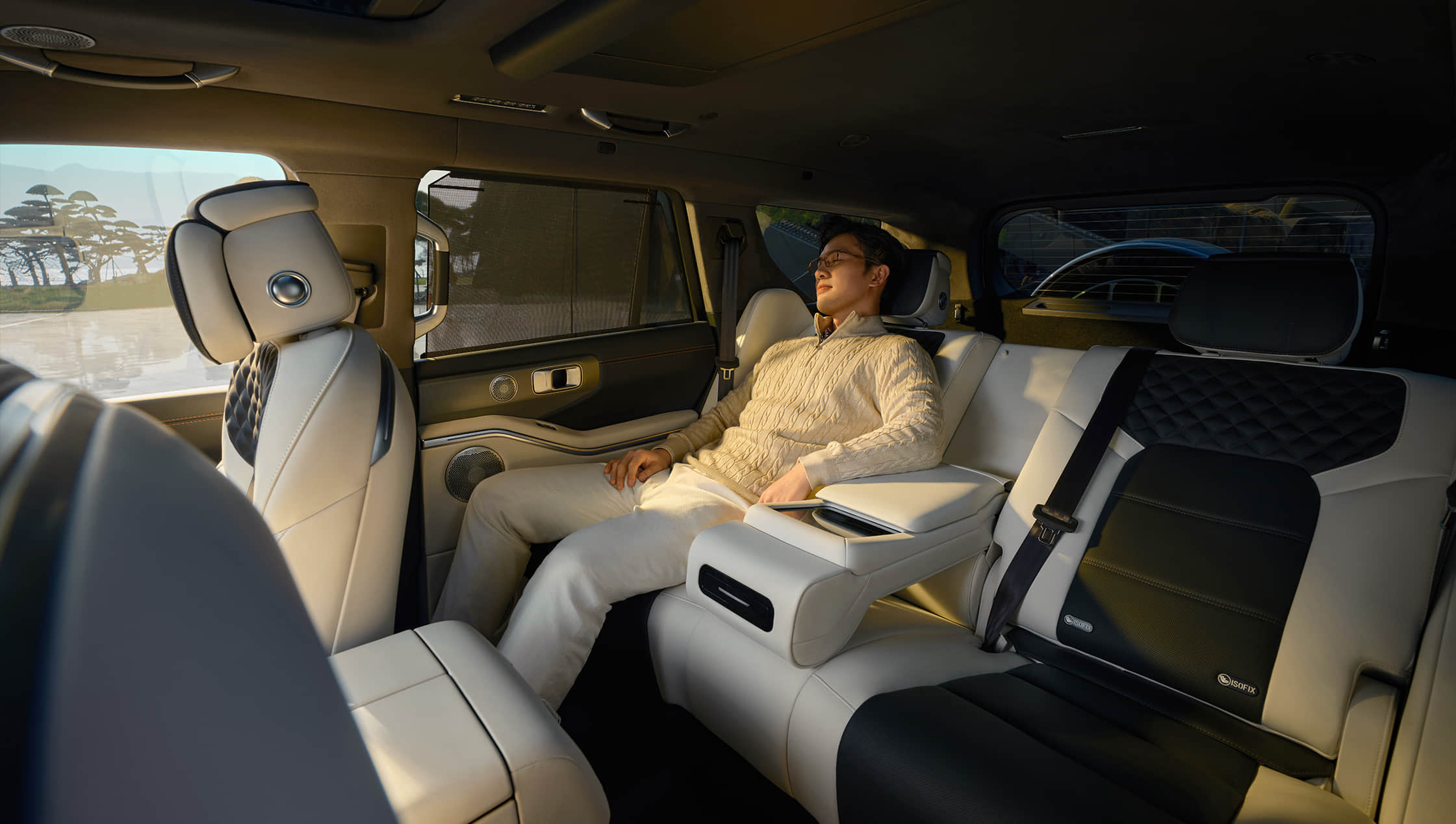
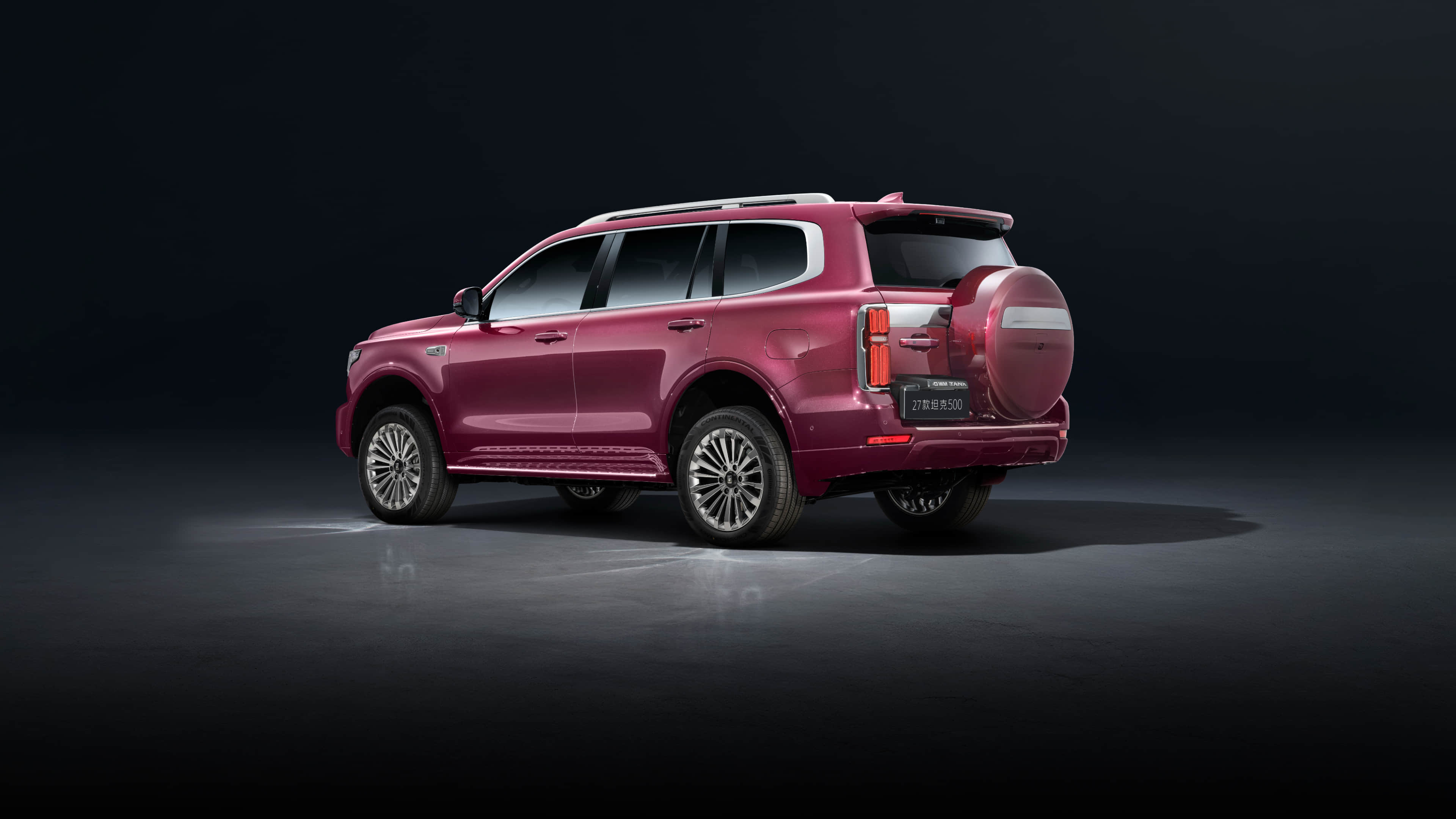
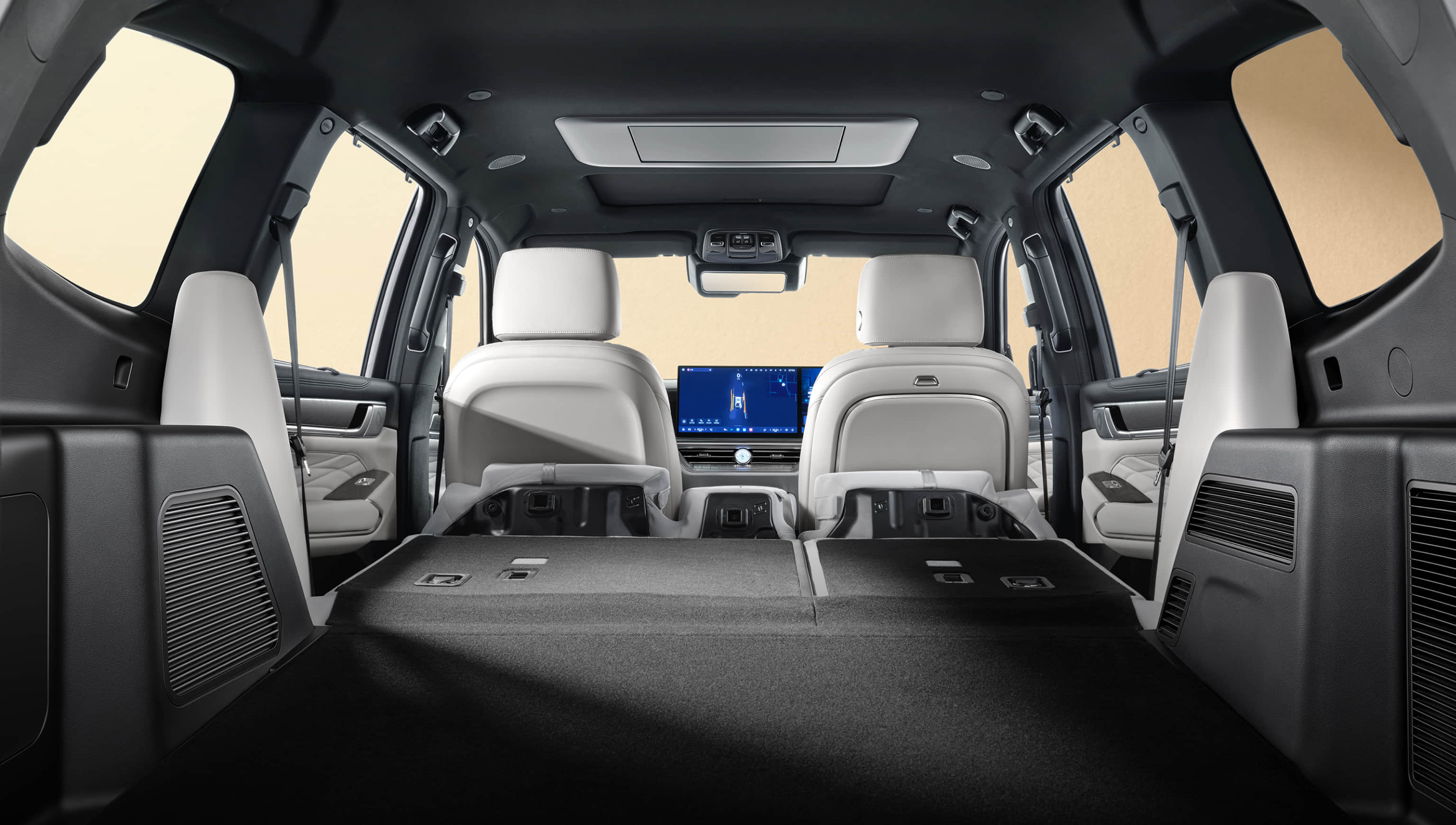
The site's 500 panorama identifies its demonstration trim. Use it to understand the visible layout, not as proof of another version's cargo space. A seven-seat configuration needs a separate check with the last row raised and folded. Confirm floor position, seatbacks and supplied accessories in the evidence. A photograph with a measuring tape and your largest case can be more useful than an unlabelled maximum-capacity claim.
Agree the evidence before ordering
Tell us the required seat count, trim and luggage constraints in the enquiry. Request vehicle-specific photographs or measurements before procurement if fit matters. Keep any allowed seat-folding arrangement clear in writing. Do not assume the exterior length difference between 3.0T and plug-in hybrid versions translates directly into cargo space. Compare the actual cabin and luggage layout, then review the vehicle proposal and destination arrangements separately.
Questions, answered.
Can I use maximum boot volume without its seat position?
No. Establish which seats are folded or raised, the measurement method and the exact version.
Does the panorama verify every TANK 500 boot?
No. It illustrates the identified demonstration vehicle. Obtain matching evidence for your chosen seating and powertrain configuration.