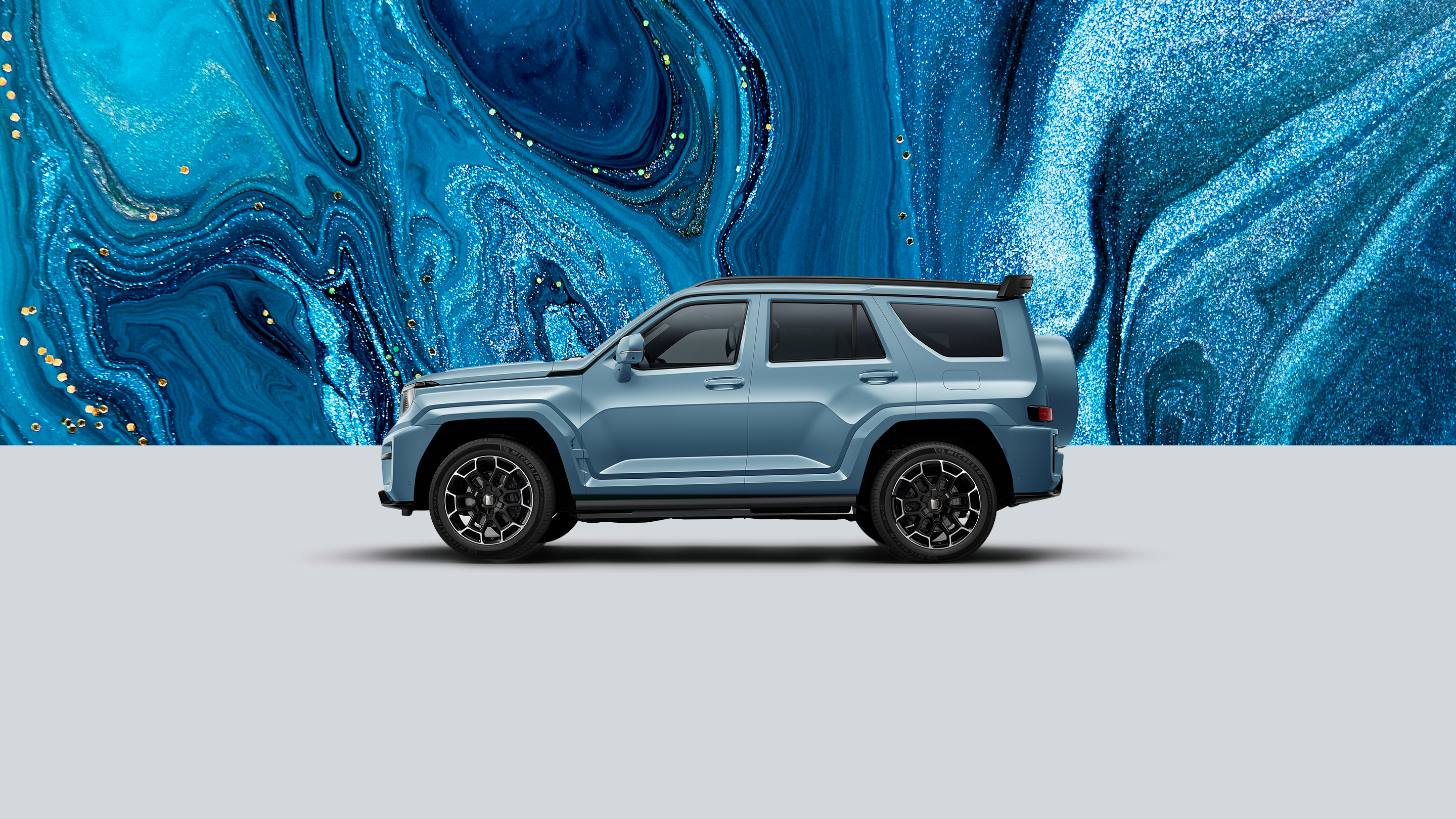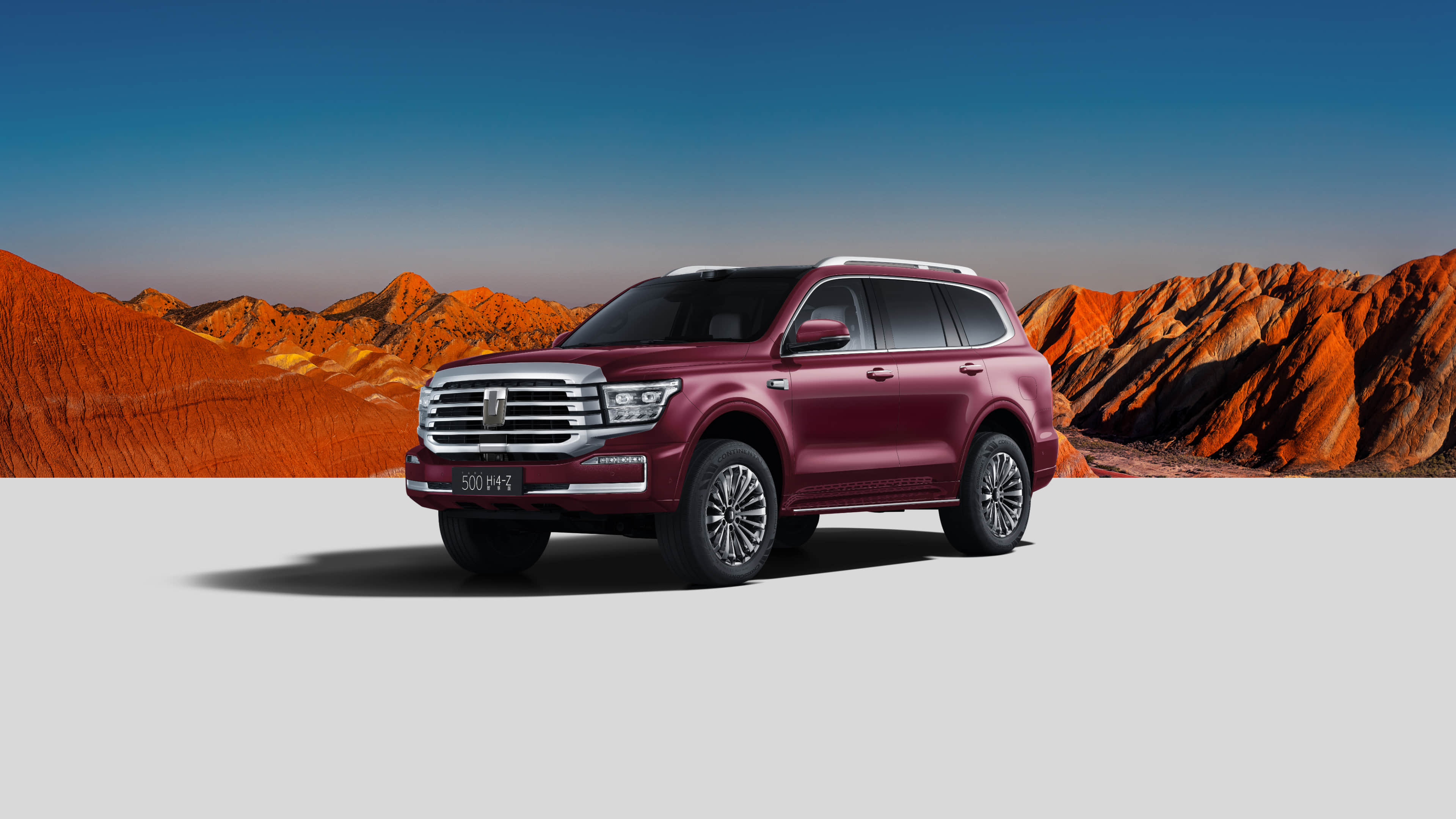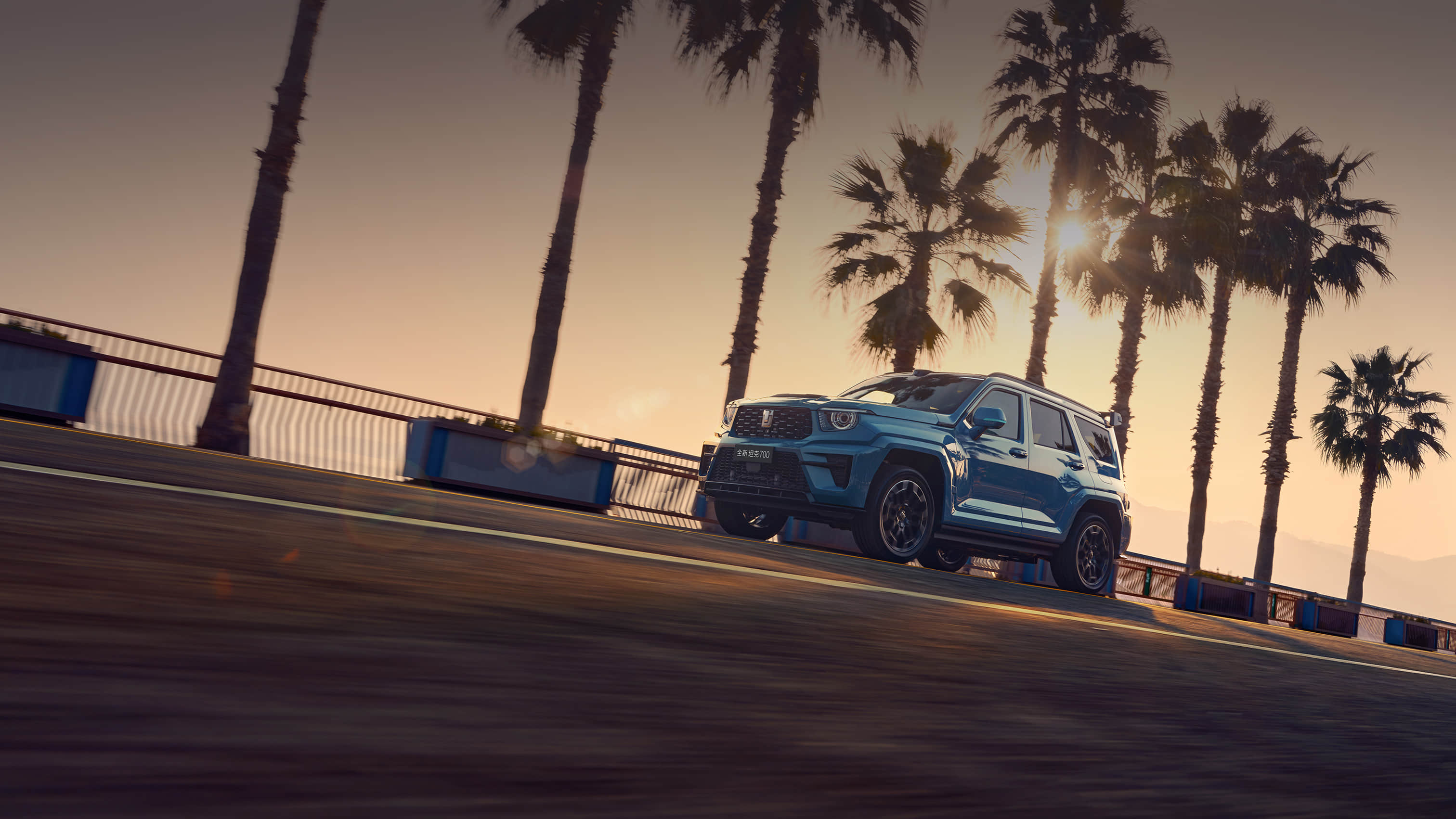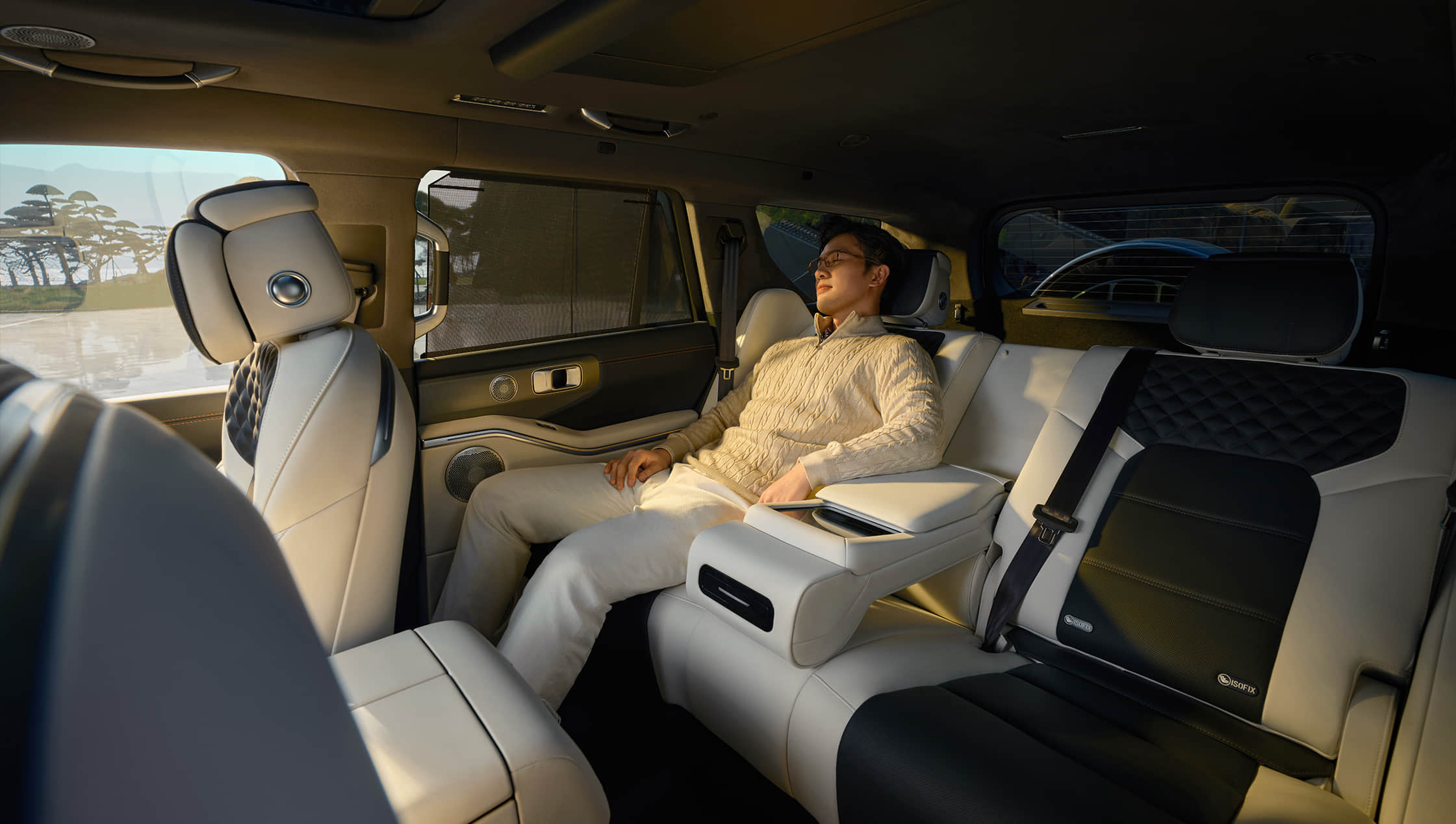
Measure usable space, not just the exterior
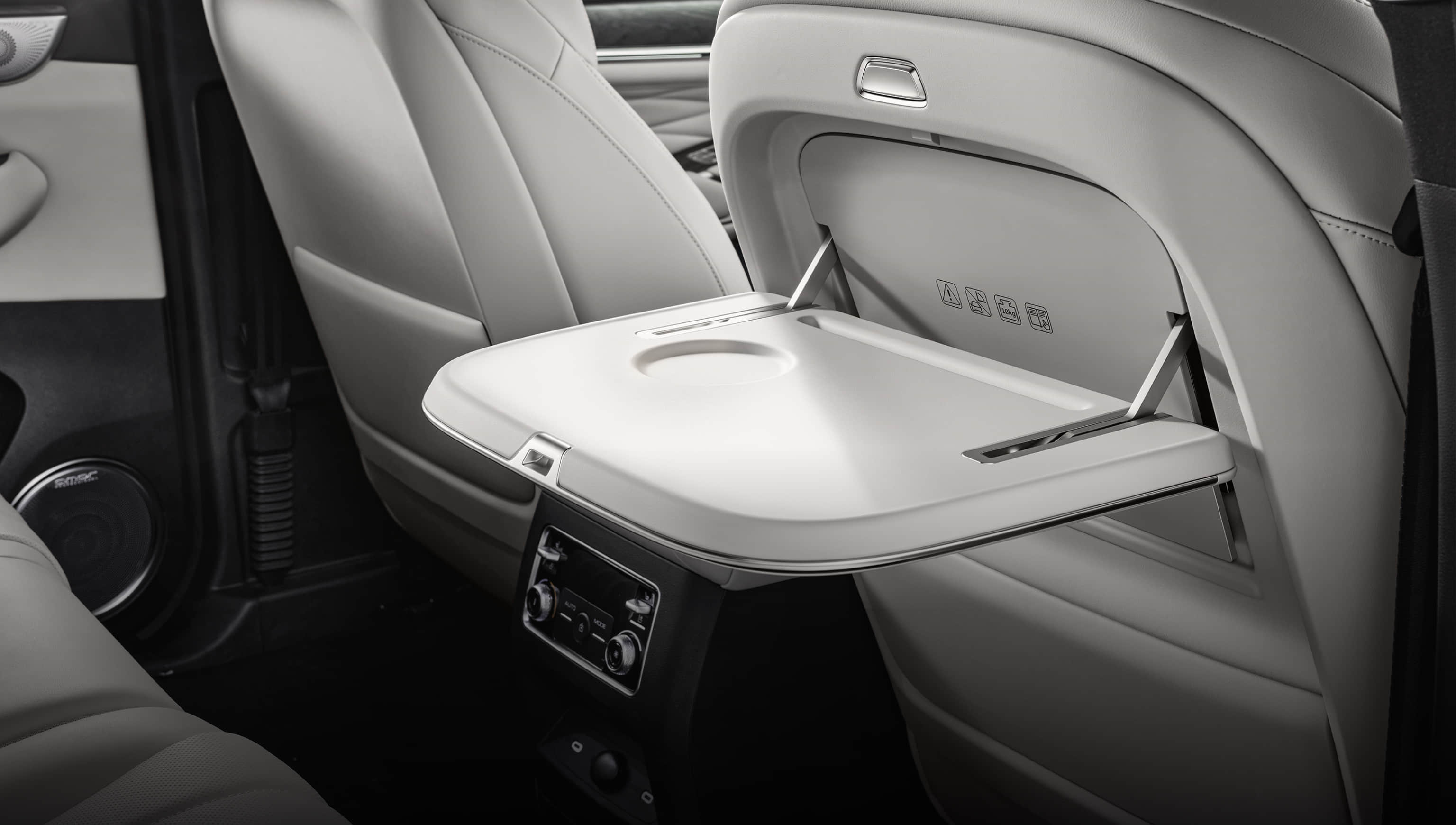
Use the official dimensions for each selected version, then check your garage, parking access and usual roads. Ask for cabin and luggage-area photographs that match the proposed configuration. Confirm the actual seat layout and test the access requirements of your passengers. Exterior length alone cannot tell you whether a particular child seat, mobility aid or set of travel cases will fit your routine.
Compare comfort and capability together
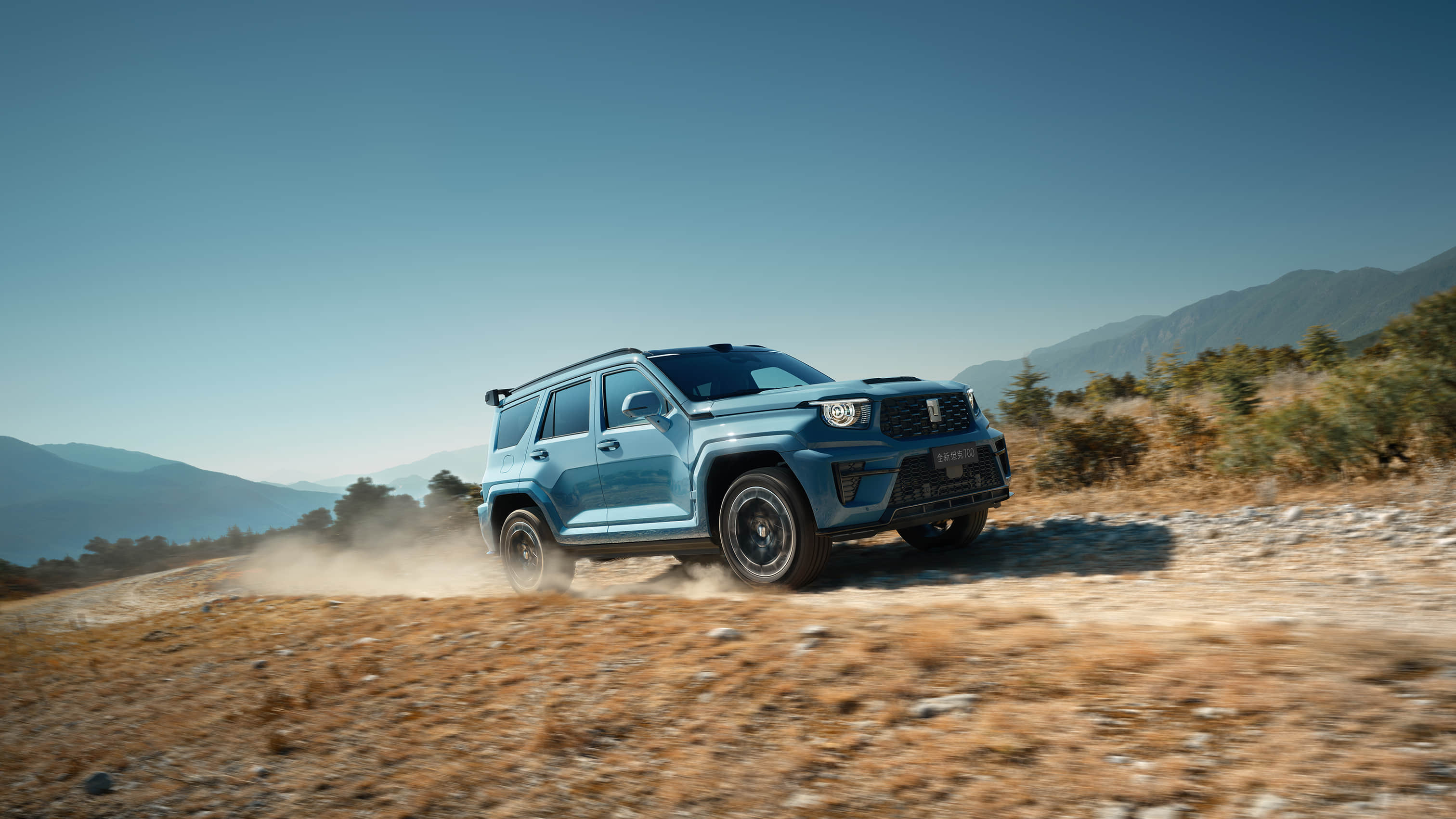
List the suspension, seating, climate and cabin features that matter on a normal journey. Next compare the drivetrain, tyres and relevant off-road equipment for your intended routes. Do not assume that the same feature is standard on every trim. For plug-in hybrid choices, compare battery and charging information on the same basis. Keep published test cycles visible whenever you compare range or consumption figures.
Put both quotations on equal terms
Request the two vehicles with the same condition, quantity, currency and delivery basis. Separate the vehicle price from agreed services and transport. Include differences in optional equipment rather than treating them as part of the badge comparison. Tell us which priorities are essential and which are flexible; a preferred model and one acceptable alternative make sourcing discussions more productive. Final vehicle details, payment terms and estimated export milestones should be reviewed in writing before procurement.
Questions, answered.
Is the larger-looking SUV always the better choice?
No. Check usable seating, luggage space, parking dimensions, equipment and total purchase budget for your situation.
Can I compare two powertrains across these models?
Yes. Identify the exact model year and trim on both sides, then compare the relevant official technical data and quotation terms.