Create a written configuration reference
Record the full model name, model year, powertrain and trim, together with the source date of the specification sheet. List exterior and interior colours and factory options separately. Mark each important feature as standard, optional or unavailable for that exact trim. Keep original units and range-test labels visible. Where a translation is unclear, ask for the original term and written clarification instead of inferring a function from an image.
Tie evidence to the proposed vehicle
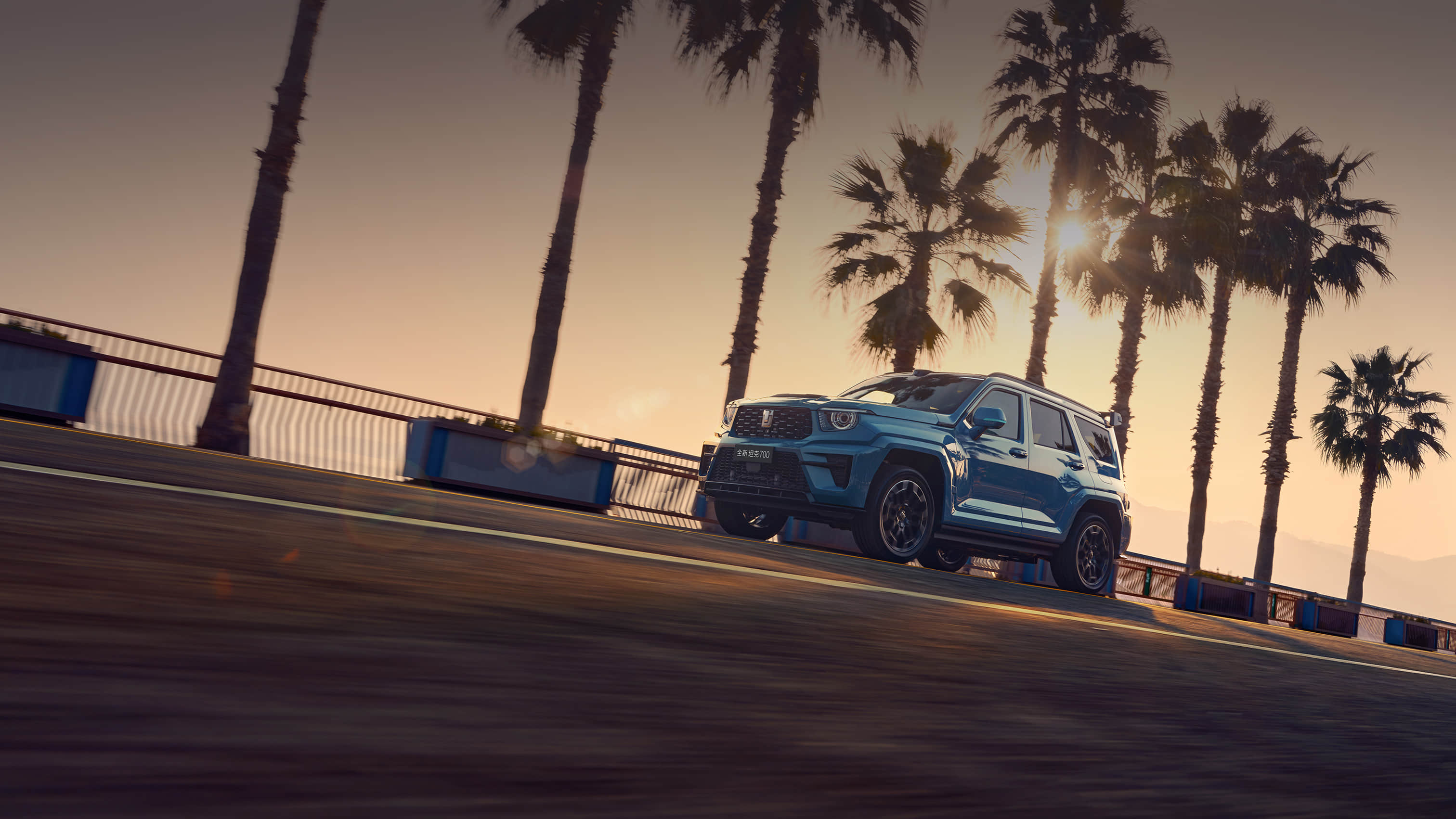
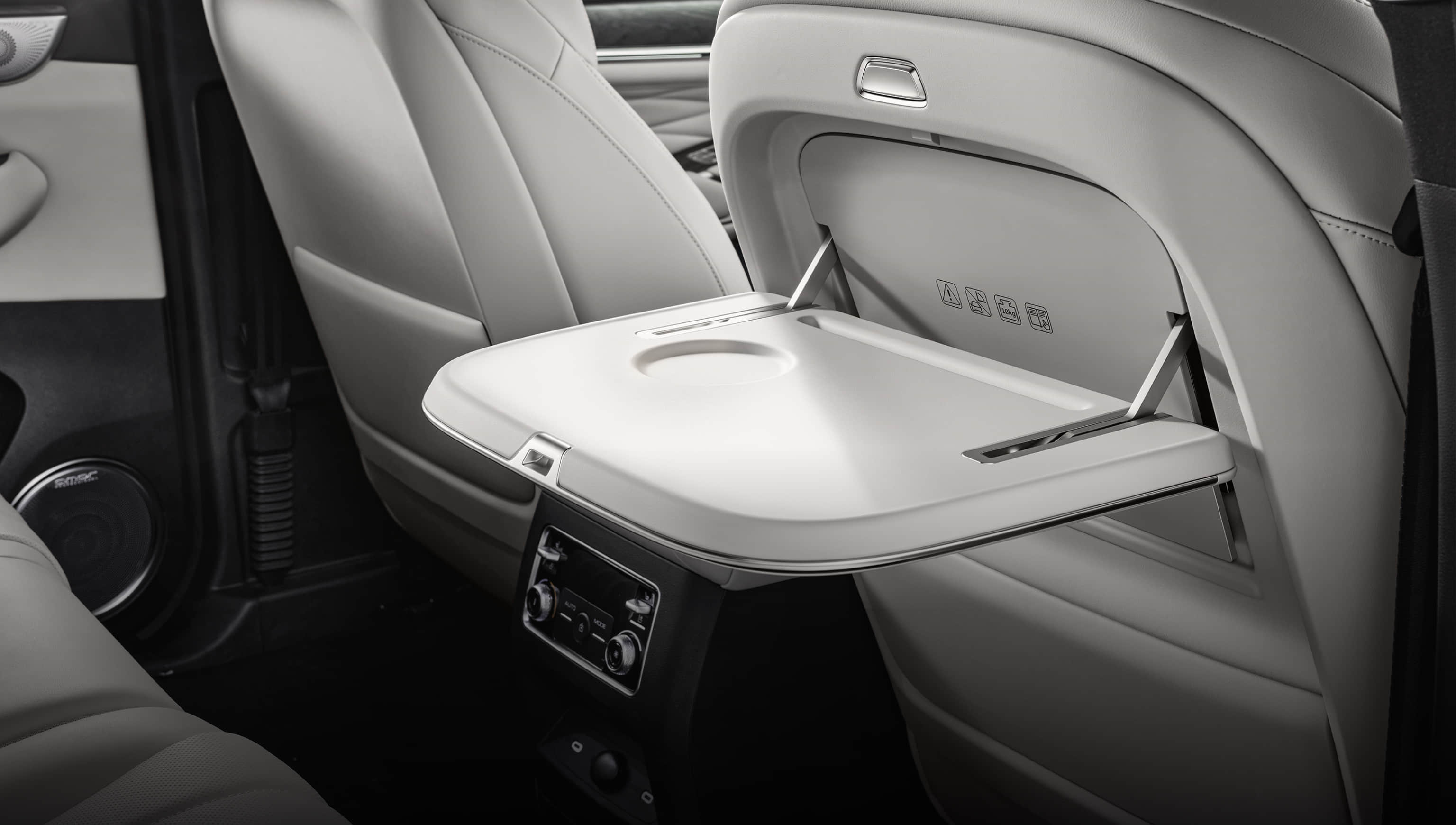
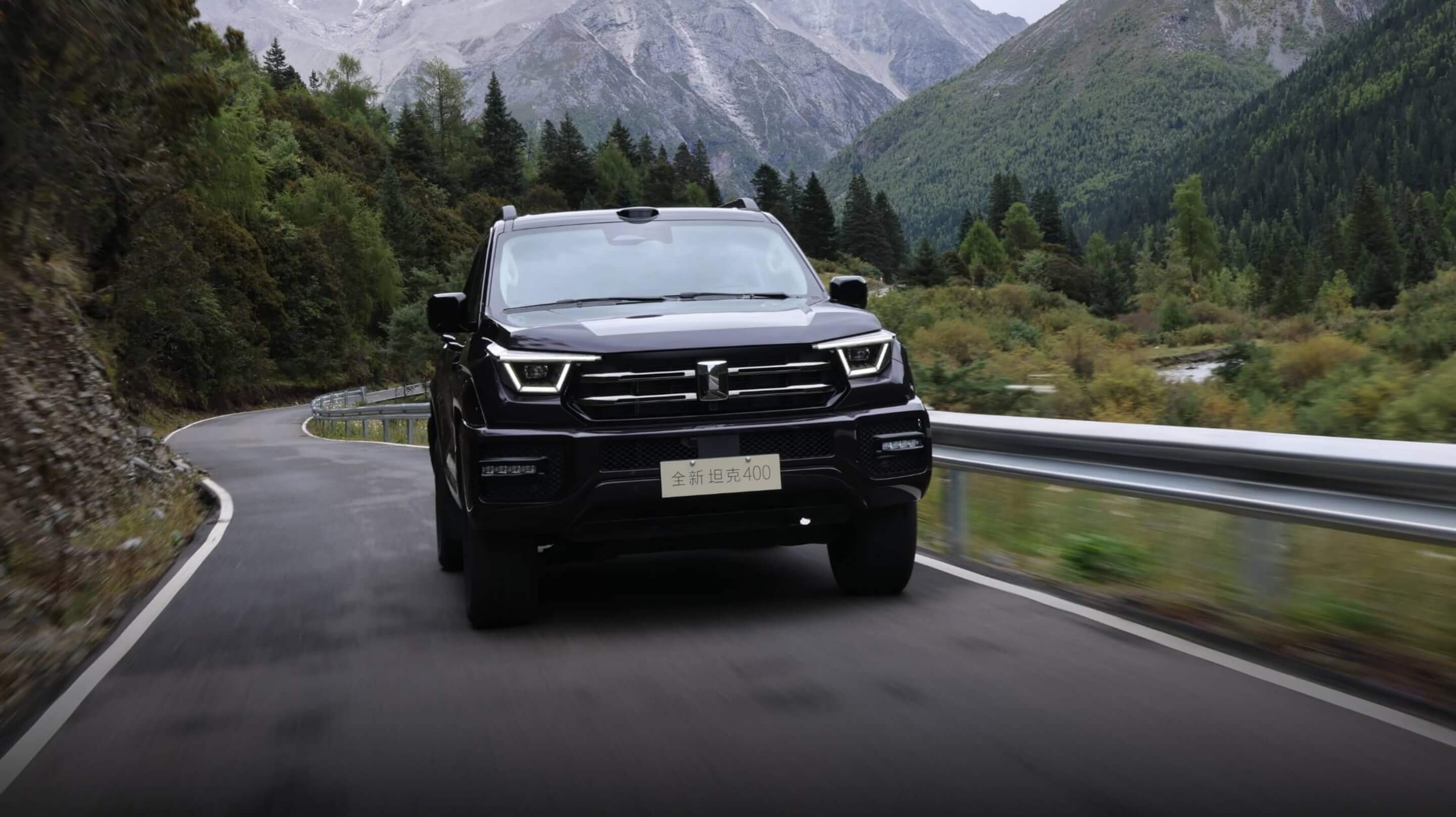
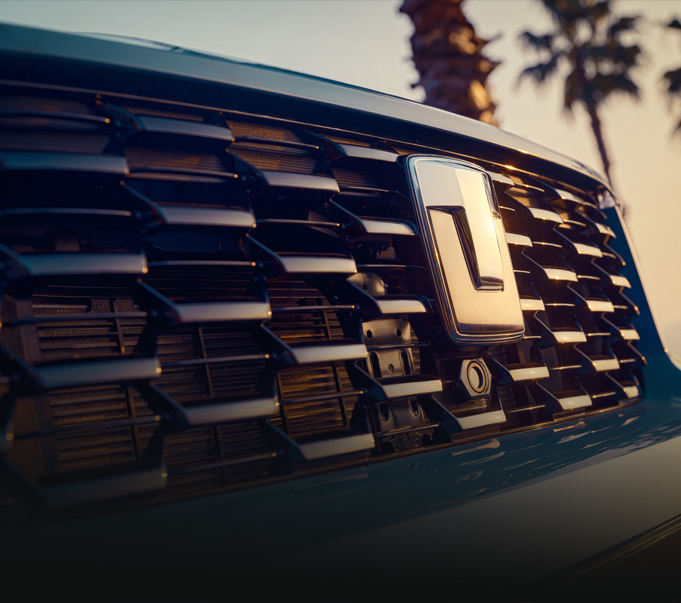
Before purchase, request the identification details and documents appropriate to the proposed vehicle and transaction. Agree photographs or inspection evidence that show essential equipment, interior condition, tyres and any relevant modifications. For used vehicles, include mileage and the condition checks agreed for the order. Review images of the same vehicle rather than a selection of attractive examples from a model gallery. Check that the evidence and commercial description identify the same unit.
Resolve differences before procurement
If a feature differs, determine whether the proposal contains a factory option, an alternative trim or a later modification. Review the impact on price, intended use and destination requirements. Update the written vehicle description and obtain agreement before continuing. A short list of non-negotiable features makes this process easier for individuals and dealer orders alike. Store the final configuration with the quotation and inspection record so later reviews use a single agreed reference.
Questions, answered.
Do showroom images prove that an option is included?
No. Images may show a different trim or optional equipment. Confirm inclusion on the written specification for the proposed vehicle.
What if the translated equipment name is ambiguous?
Request the original manufacturer term and an explanation of the function. Do not approve a purchase based on an uncertain translation.