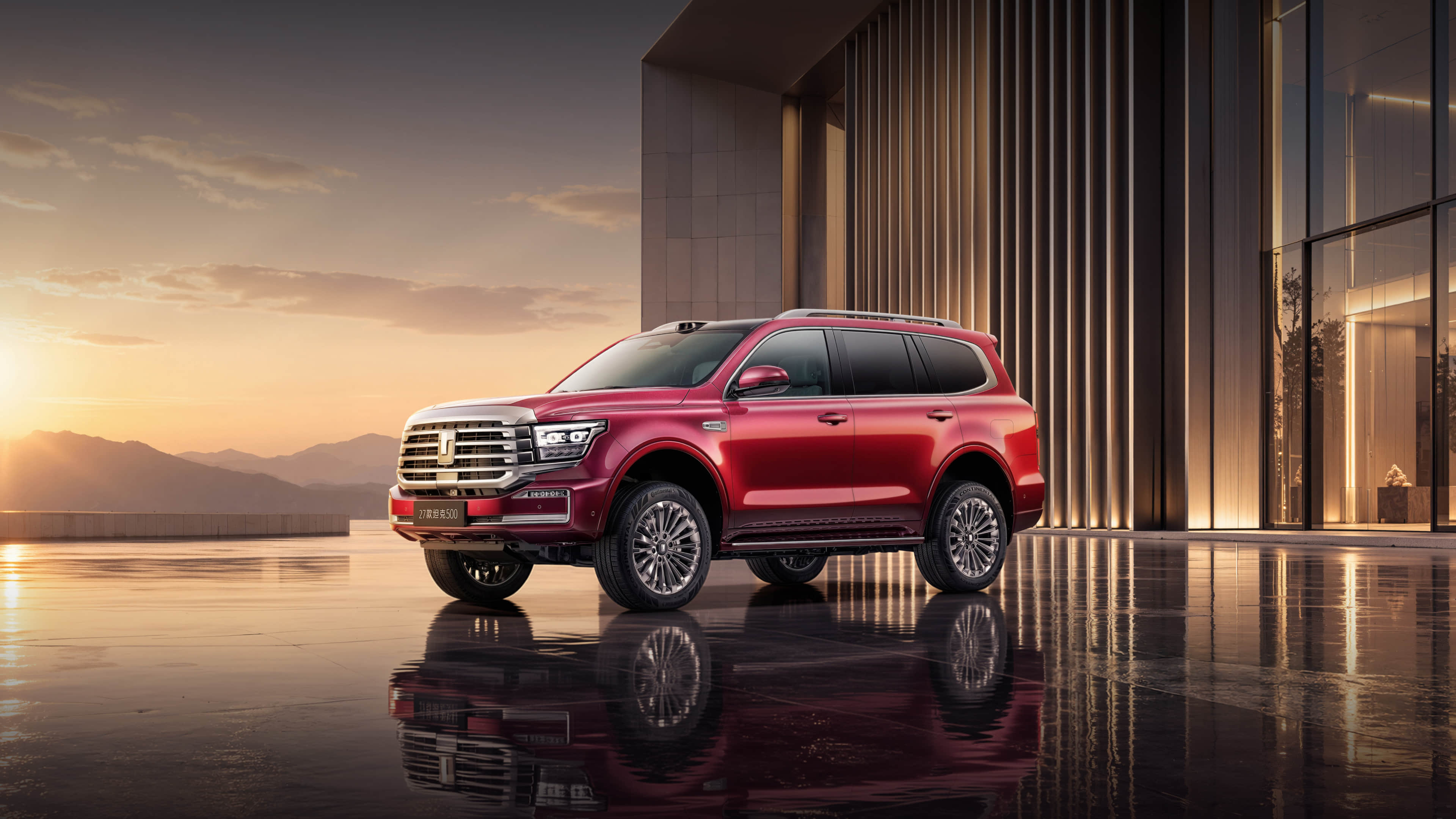
Separate the model year and powertrain
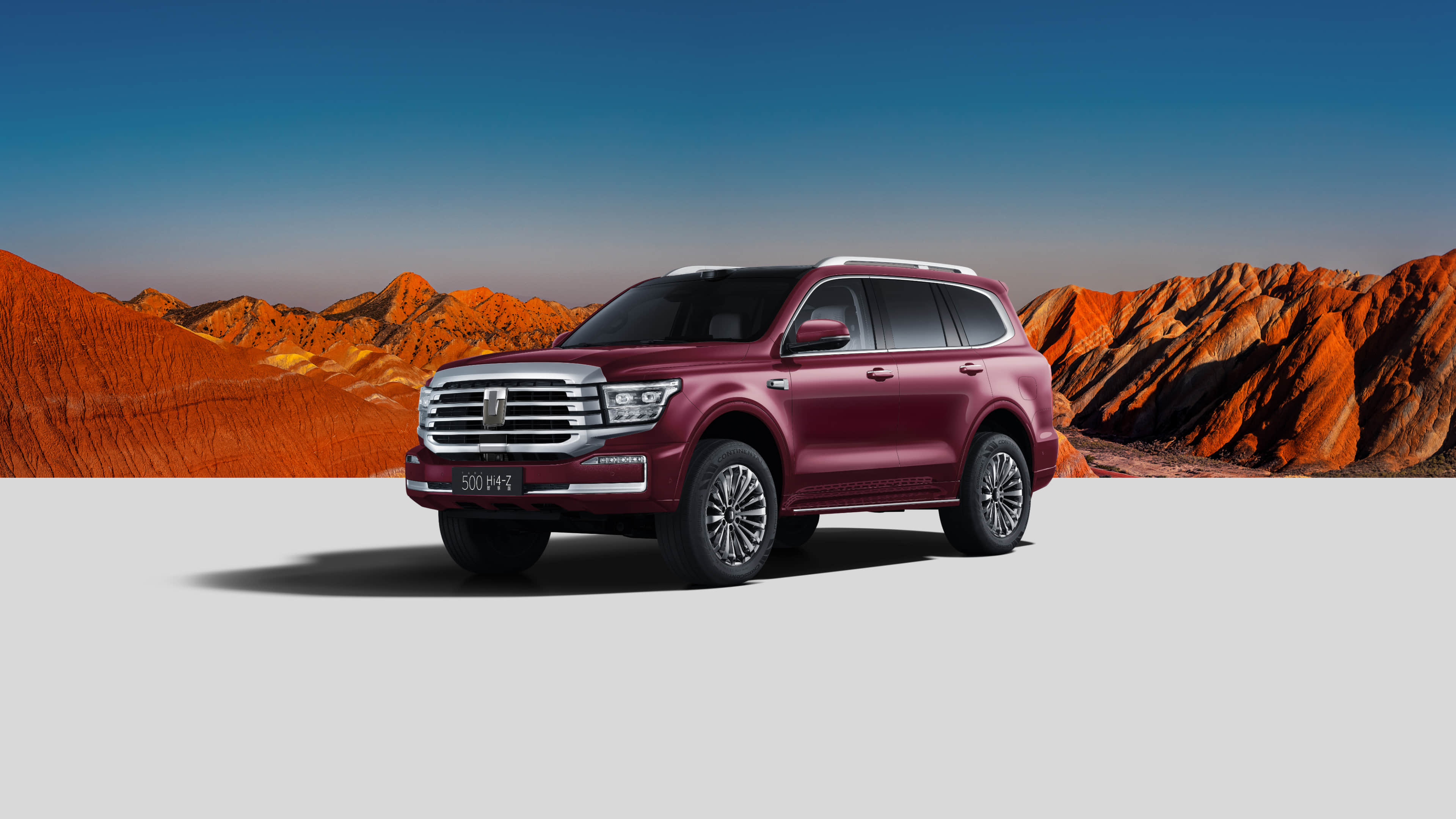
Ask the supplier to write the model year, full version name and powertrain on the proposal. Confirm that the photographs, specification sheet and quotation refer to the same version. Do not assume that a vehicle carrying the TANK 500 badge has the battery, engine or equipment shown in another market. Keep older vehicles as separately identified alternatives if you want to compare them.
Choose equipment you will actually use
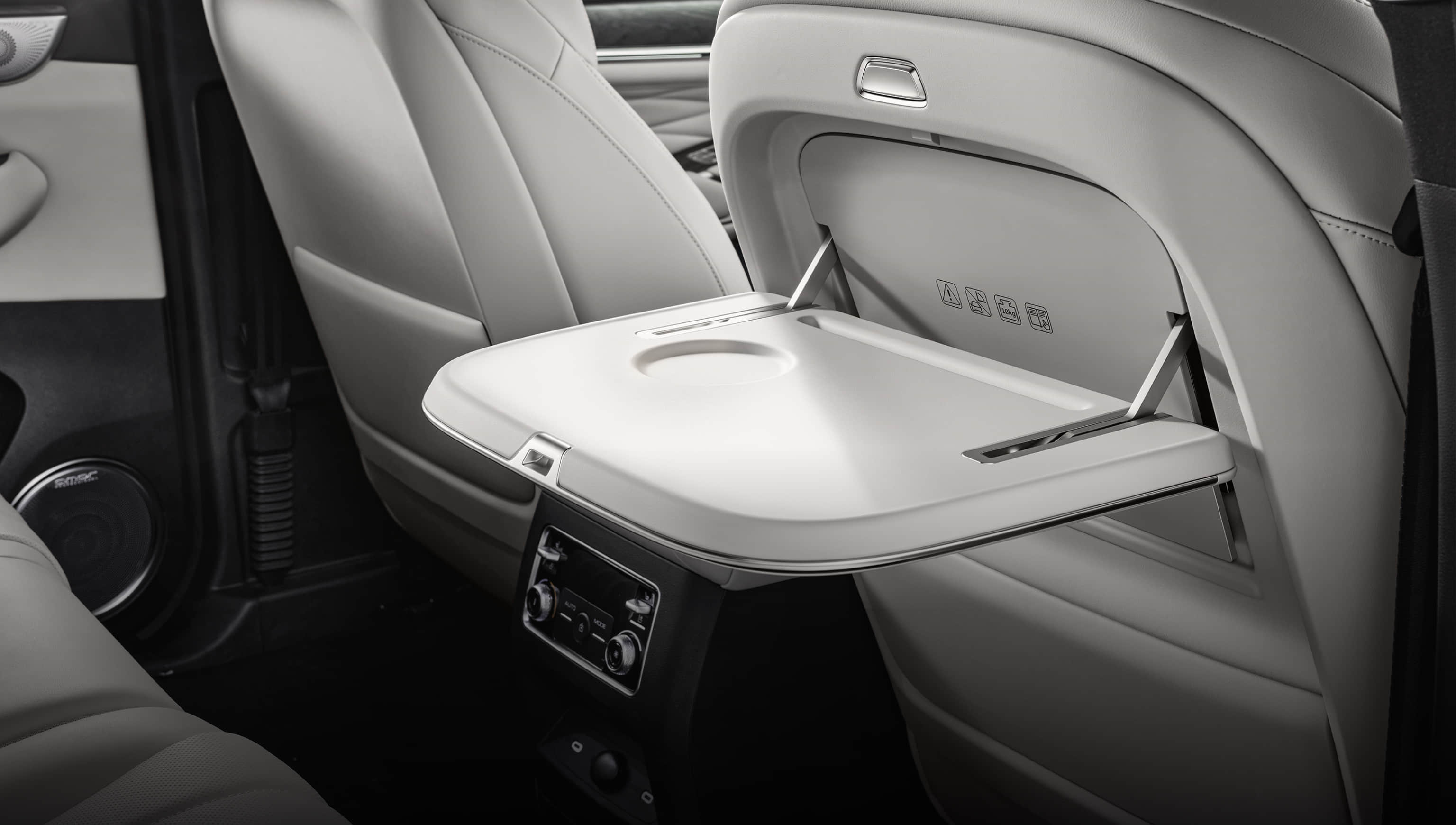
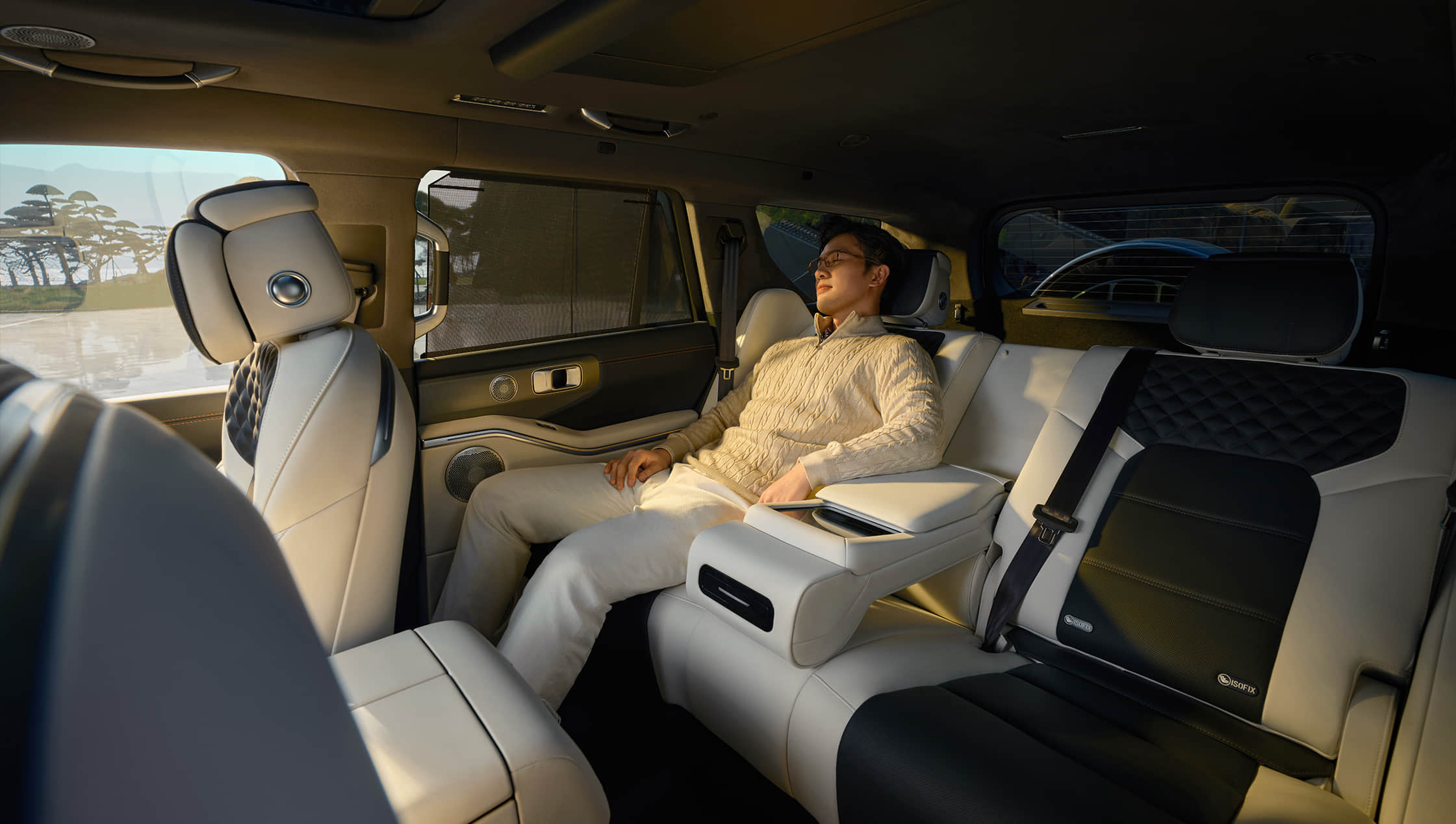
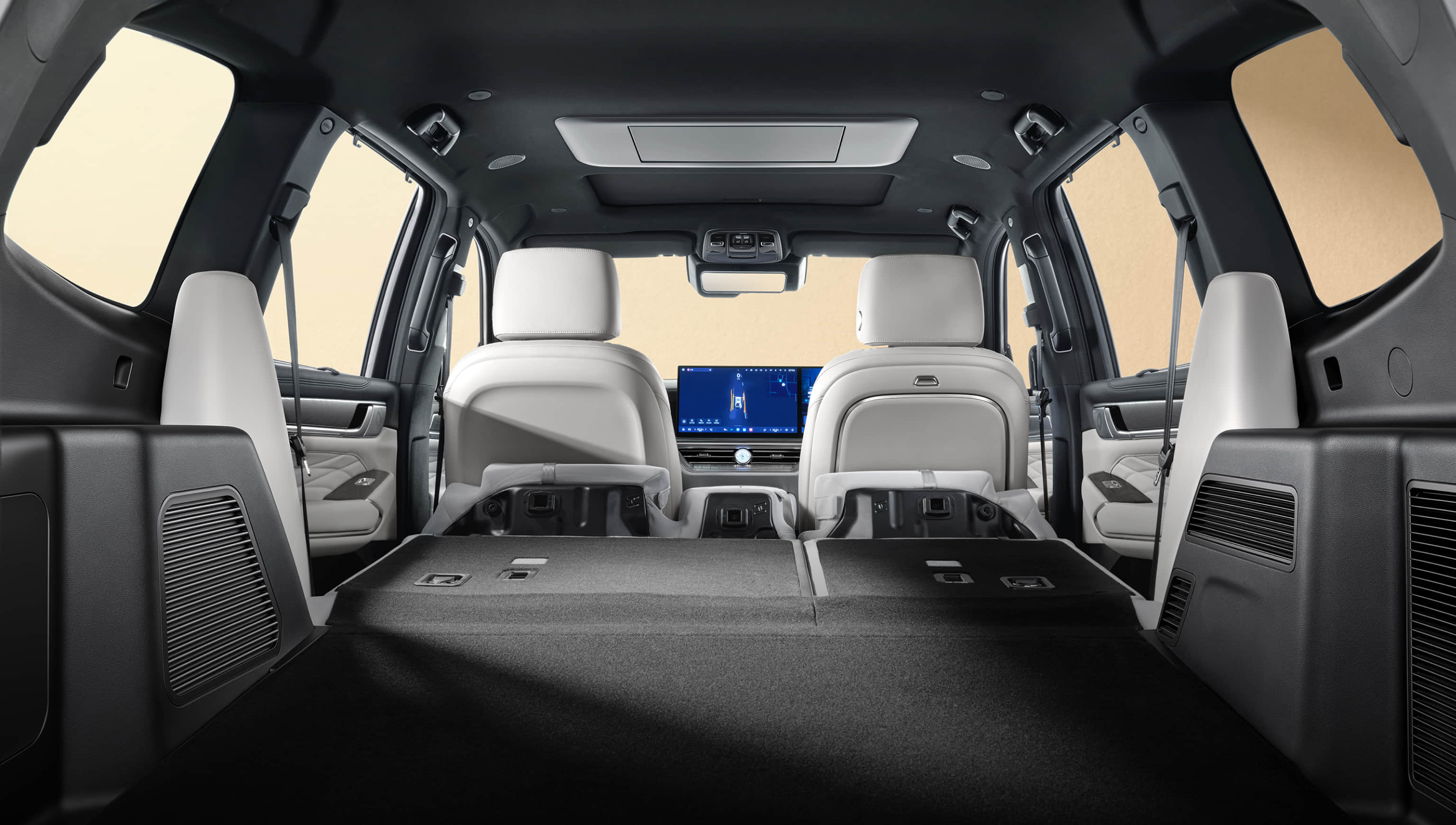
Make a short list of essential features for passengers, luggage, long journeys and parking. Check the actual seating arrangement, access to the rear seats, luggage capacity information and comfort equipment for each trim. Compare wheels, tyres and suspension against your typical roads. For an electrified version, include charging access and the published charging requirements in the decision. Review the complete equipment table, not only the headline screen size or power figure.
Turn the shortlist into a clear request
Choose one preferred trim and, if useful, one acceptable alternative. State mandatory options, colours, quantity and destination. Ask which differences affect the quotation and whether the proposed vehicle has any additional equipment. Before procurement, check the written specification and agreed inspection evidence. A preferred budget and timing help the discussion, but availability and export milestones need to be confirmed for the actual order rather than inferred from the current model page.
Questions, answered.
Can an overseas TANK 500 brochure verify a China-market vehicle?
Use it for general orientation only. Confirm the Chinese model year and exact trim against the official configuration sheet and the proposed vehicle.
Should I simply select the highest trim?
Select the equipment that supports your use and budget. A higher trim is useful only when its differences matter to you.